
High blood pressure (hypertension) is very common and the share of both men and women with high blood pressure increases steadily with age.
High blood pressure sneaks up on you. Except at extreme levels, high blood pressure is usually a silent condition causing no symptoms, so it is important to have regular blood pressure checks.
Many things are thought to help bring about high blood pressure, including several changes in the heart and blood vessels.

Why is high blood pressure important?
Having high blood pressure increases your risk of a variety of health problems. Some of the complications of having high blood pressure include:
- an increased risk of heart and blood vessel disease – the higher the blood pressure, the higher the risk of angina, heart attack and stroke;
- heart failure; and
- kidney damage.
How is blood pressure measured?
When the heart pumps, it produces pressure inside the arteries and moves the blood forward. This is called systolic pressure. Then the heart relaxes as it fills again and the pressure in your arteries falls. This is called diastolic pressure.
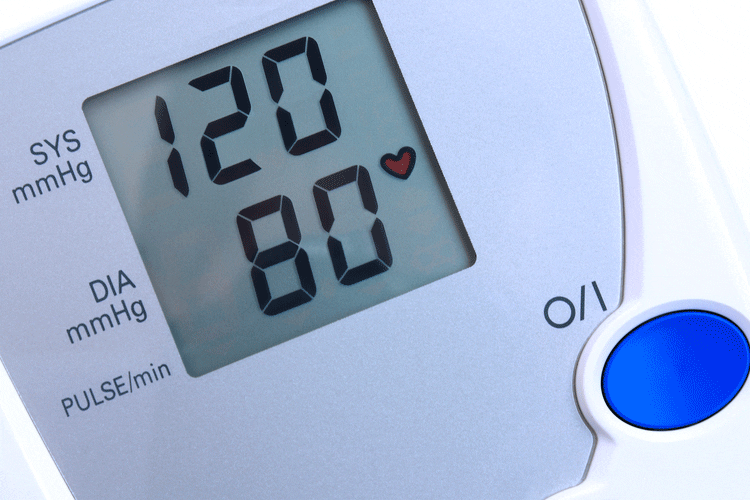
Blood pressure readings are given as 2 numbers – systolic pressure over diastolic pressure. The pressure is measured in millimetres of mercury (mmHg).
As a general guide,
- optimal blood pressure is considered to be less than 120 mmHg (systolic pressure) over 80 mmHg (diastolic pressure) — written as 120/80;
- normal blood pressure is between 120/80 and 129/84; and
- high-normal blood pressure is between 130/85 and 139/89.
What is high blood pressure?
High blood pressure, or hypertension, means that the systolic or diastolic pressure or both are above the normal range. A reading above 140/90 mmHg is usually considered to be ‘hypertension’, although hypertension is further divided up by doctors into mild, moderate or severe depending on the blood pressure reading.
The grades of hypertension are as follows.
- Mild (grade 1) hypertension: from 140/90 mmHg up to 159/99 mmHg.
- Moderate (grade 2) hypertension: from 160/100 mmHg up to 179/109 mmHg.
- Severe (grade 3) hypertension: 180/110 mmHg or more.
When deciding whether your blood pressure reading is of concern or not, your doctor will take various factors into account, including your age, cholesterol level, smoking status and presence of other conditions such as diabetes, previous stroke, heart problems or kidney disease.
Your doctor will also want to check your blood pressure on more than one occasion before deciding whether you have high blood pressure or not. They may ask you to check your blood pressure at home or wear a 24-hour blood pressure monitoring device. Home blood pressure machines can be purchased or hired from some pharmacies.
It is important to remember that our blood pressure rises at certain times, and that is not necessarily a bad thing. During exercise, for example, the pulse rate and blood pressure increase in order to carry extra blood and oxygen to the muscles. When you finish exercising, the blood pressure returns to normal.
Blood pressure also rises with excitement, anger or fear but this usually does not last long.
How do I know if I have high blood pressure?
Unless it is very high, high blood pressure usually has no symptoms. The only way to know if your blood pressure is raised is to get it measured.
Every adult should have their blood pressure checked regularly. Your doctor will advise you how often. This depends on your age, your general health and whether you are taking any herbal products, supplements or medicines, including the contraceptive pill.
Some people may experience symptoms related to conditions causing or caused by high blood pressure. If you have high blood pressure, your doctor will check for these symptoms.
Your doctor will also ask about the health of your family members and whether any member in your family has been diagnosed with high blood pressure. They will perform a physical examination looking for any problems related to high blood pressure.
What causes high blood pressure?
In most people, high blood pressure results from the interaction of numerous genetic (inherited) and lifestyle factors. This is sometimes called primary or essential hypertension.
A small proportion of people have secondary high blood pressure, which is high blood pressure that is caused by a specific underlying condition, such as kidney disease or hormonal problems.
Other risk factors include:
- being overweight;
- smoking;
- not getting enough physical activity;
- having a high alcohol intake; and
- eating a diet high in salt (sodium chloride).
High blood pressure treatments
High blood pressure can be treated with lifestyle measures and medicines. Your doctor will recommend treatment for you based on:
- your blood pressure readings;
- whether you have other conditions related to high blood pressure; and
- your overall risk of cardiovascular disease.
Lifestyle measures
Making some adjustments to your lifestyle can help lower blood pressure and improve your overall health. Lifestyle measures are the only treatment needed to control blood pressure in some people.
- Achieve and maintain a healthy weight. Being overweight often means a higher blood pressure.
- Eat a wide variety of nutritious foods, with lots of vegetables, fruit and grains. Eat moderate amounts of fish, skinless chicken, lean meat cuts, eggs, nuts, legumes and reduced fat dairy foods. Avoid foods high in saturated fat (e.g. fried foods, biscuits, chips) and replace with foods containing mainly polyunsaturated and monounsaturated fats (e.g. oils, spreads, avocado, nuts and seeds).
- Eat less salt: use herbs, spices, fruit and vinegar for flavouring and dressings; choose low salt pre-prepared foods; avoid pickled and takeaway foods which have a high salt content.
- Get regular physical activity. Strive to put a little bit more activity in your day at every opportunity. Aim to accumulate at least 30 minutes of moderate physical activity most days of the week. Walking, cycling and swimming are ideal. Find activities you enjoy so you can keep them up.
- Cut down on alcohol. Healthy men and women should have no more than 2 standard alcoholic drinks a day. Also, aim for at least 2 alcohol-free days per week.
- Stop smoking: quitting reduces blood pressure as well as your risk of heart attack and stroke.
Medicines for high blood pressure
Medicines can help control high blood pressure but do not cure it. Usually blood pressure medicines need to be taken long-term.
The main types of medicines that are used to treat uncomplicated high blood pressure include:
- angiotensin converting enzyme inhibitors (ACE inhibitors);
- angiotensin receptor blockers (ARBs);
- calcium channel blockers; and
- thiazide diuretics.
The type of medicine that your doctor prescribes will depend on:
- your age;
- whether you have conditions associated with high blood pressure;
- whether you have other health problems or take other medicines;
- the side effects of different medicines; and
- the cost of different medicines.
To control blood pressure successfully, you may need 2 or more medicines, each working in a different way. We all react differently to medicines, so it may take some time to find the combinations and doses that suit you best.
It is important to tell your doctor about any other health products you are taking — this includes eyedrops, ointments, over-the-counter preparations, herbs and supplements.
It is also important to follow your doctor’s instructions about taking blood pressure medicines.
You cannot tell how your blood pressure is doing by the way you feel. Regular check-ups are essential and it is unwise to change your own dose of tablets.
If your blood pressure is not responding well to treatments, your doctor may refer you to a cardiologist (specialist in heart conditions and high blood pressure).
Side effects
Like all medicines, those for high blood pressure may occasionally cause side effects. These vary among medicines and from person to person, and often decrease with time or by your doctor adjusting your dosage.
If your blood pressure gets too low on the medicine, you may feel faint or dizzy, particularly when you stand up. Try standing up slowly to reduce this, and stay close to the bed or chair for a moment in case you need to sit or lie down again. If this side effect continues, see your doctor for review.
You should let your doctor know about any reactions you have to the medicines. With the range of blood pressure medicines now available, it is nearly always possible to find one that will give you minimal or no side effects.
Check-ups
If you have had high blood pressure, you need to have regular checks throughout your life. This is true even if you are not currently receiving any treatment, or if you are being treated by diet and lifestyle changes or with medicines.
Your doctor will advise you about how frequently you should have your blood pressure checked, but generally speaking it will be at least every 6 months.
In the early stages of treatment, you may need to be seen weekly or fortnightly, but once your blood pressure is controlled, checks may be spaced out to once every 3 or 6 months.
If you have high blood pressure, it’s also worth being checked for other conditions that may further increase your risk of cardiovascular disease, such as diabetes and high cholesterol.
High blood pressure often runs in families. Suggest to others in your family that they also have their blood pressure measured.
