
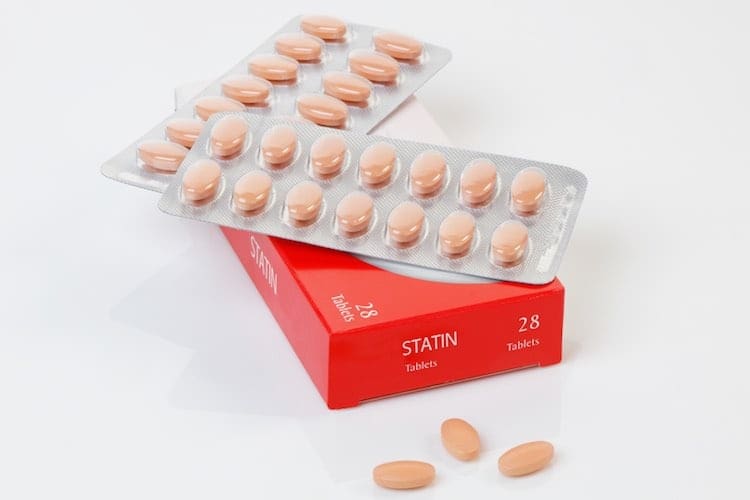
If you have high cholesterol, your doctor may prescribe lipid-lowering medicines in addition to diet and lifestyle changes. These medicines are called lipid-lowering drugs because the cholesterol and other types of fat are known as lipids.
Different types of lipids
Your cholesterol test results will usually show total cholesterol, which is made up of low-density lipoprotein (LDL) cholesterol and high-density lipoprotein (HDL) cholesterol, and also triglycerides.
LDL cholesterol is the so-called ‘bad’ cholesterol. The level of LDL in a person’s blood can help predict their risk of having coronary heart disease.
HDL is often called the ‘good’ cholesterol as it may be beneficial in reducing the risk of coronary heart disease.
Triglycerides are another type of blood fat. High levels of triglycerides are also considered to be important predictors of future coronary problems, and very high levels of triglycerides may cause inflammation of the pancreas (pancreatitis).
Lipid-lowering medicines
Your doctor will make a decision on the type of lipid-lowering medicine you should take based on which type of lipid problem you have.
Statins
The statin class of medicines includes:
- atorvastatin (brand names include Lipitor, Lorstat);
- fluvastatin (Lescol or Vastin);
- pravastatin (e.g. Pravachol, Cholstat);
- rosuvastatin (Cavstat, Crestor); and
- simvastatin (e.g. Lipex, Zocor, Zimstat).
Statins are also known as the HMG-CoA reductase inhibitors.
How they work
Statins work by interfering with an enzyme which the body uses to make cholesterol — this means that the body can’t make as much cholesterol as before. Statins also increase the amount of cholesterol that the liver takes up and removes from the blood.
The net result is that statins can reduce the amount of LDL cholesterol. Some statins can also produce a small increase in ‘good’ cholesterol, that is, HDL cholesterol.
When should you take them?
Statins are usually the first type of medicine that doctors prescribe to treat high LDL-cholesterol. Your doctor will advise you how to take your statin medicine. Some statins should be taken in the evening, at bedtime, for best effect.
Statins should not be used in pregnancy because of potential risk to the unborn baby — if you are a woman of childbearing age it is recommended that you use effective contraception while taking statins.
People with liver disease, muscle disease and breast feeding women should also avoid statins.
Side effects
Common side effects of statin medicines include:
- mild stomach upset; and
- headache.
Statins can occasionally cause muscle pain, which, rarely, can have serious complications. So if you develop pain in your muscles or any tenderness or weakness, make an appointment to see your doctor as soon as possible.
Statins can also cause liver problems including hepatitis.
Your doctor will probably want you to have regular blood tests when you start treatment with statins so that your progress can be monitored.
Ezetimibe
Ezetimibe (brand name Ezetrol) is the first available medicine in a new class of cholesterol-lowering agents known as cholesterol absorption inhibitors. Ezetimibe reduces total cholesterol, LDL or ‘bad’ cholesterol and triglycerides, and increases HDL (‘good’) cholesterol.
How it works
Ezetimibe lowers cholesterol by reducing its absorption from the intestine into the bloodstream.
When should you take it?
Your doctor may prescribe ezetimibe if you are already using a statin and your cholesterol level is still raised, because taking both of these medicines together can be more effective in lowering LDL cholesterol than taking a statin alone. Combination medicines that combine ezetimibe with a statin in one tablet include:
- Atozet (ezetimibe plus atorvastatin);
- Rosuzet (ezetimibe plus rosuvastatin); and
- Vytorin (ezetimibe plus simvastatin).
Ezetimibe may also be prescribed by your doctor if statins are not suitable for you. Ezetimibe can be taken with or without food, at any time of the day (but should be taken at about the same time each day).
If you are pregnant, breast feeding or have any liver problems, ezetimibe may not be an appropriate medicine for you.
Side effects
As with statins, if you are taking ezetimibe and you develop muscle aches, you should see your doctor as soon as possible.
Cholestyramine and colestipol
Cholestyramine (Questran Lite) and colestipol (Colestid granules) are also known as bile-acid-binding resins.
How they work
These medicines bind to bile acids in the intestine, preventing them from being reabsorbed into the body and so releasing the bile acids in the faeces. To make more bile acids, the body needs cholesterol. This results in a higher demand for cholesterol by the body, helping to reduce the blood level of cholesterol.
When should you take them?
Bile-acid-binding resins are usually used in combination with statins to lower LDL-cholesterol. They can also be used on their own, or in combination with ezetimibe.
Cholestyramine comes in sachets of powder which need to be mixed with water, juice or other fluid.
Colestipol also comes as powder in sachets and needs to be mixed with water or other fluids. It can be taken with or without food.
Side effects
Bile-acid-binding resins can sometimes cause constipation.
Gemfibrozil and fenofibrate
Gemfibrozil (e.g. Ausgem, Lopid, Lipigem) and fenofibrate (Lipidil) are also known as fibrates.
How they work
Fibrates work mainly on reducing triglycerides in the blood, by increasing the rate that triglycerides are cleared from the blood. Fibrates can also help increase the amount of ‘good’ cholesterol (HDL cholesterol).
When should you take them?
Gemfibrozil
- Gemfibrozil is usually prescribed by your doctor when you have predominantly high triglycerides as opposed to other lipids.
- Gemfibrozil may be suggested by your doctor if other lipid-lowering medicines do not agree with you.
- Gemfibrozil comes as tablets and is usually taken twice a day.
Fenofibrate
- Fenofibrate is an alternative to gemfibrozil for the treatment of high triglycerides.
- Fenofibrate can also be used to lower total cholesterol.
- Fenofibrate tablets are usually taken once per day.
Side effects
You may get an upset stomach from taking gemfibrozil or fenofibrate.
Fibrates are not suitable during pregnancy or breast feeding, or for people with liver or gallbladder disease or severe kidney disease.
Nicotinic acid
How it works
It is not entirely clear how nicotinic acid works to lower lipid levels. However, nicotinic acid can lower LDL cholesterol (the ‘bad’ cholesterol) and triglycerides and also increases the ‘good’ cholesterol (HDL cholesterol).
When should you take it?
Nicotinic acid is often used where the lipid that is predominantly raised is triglyceride.
Nicotinic acid can also be used together with statins to lower LDL-cholesterol.
Nicotinic acid tablets are usually taken 2 to 3 times a day, with food.
If you have recently had a heart attack, if you have liver disease or if you are pregnant or breast feeding, nicotinic acid will not be suitable for you.
Side effects
Nicotinic acid may cause flushing of your face and neck, which often goes away after 2–6 weeks, but sometimes comes back if you have missed doses. See your doctor if this happens because he or she may be able to give you something to stop the flushing.
Nicotinic acid can also cause stomach upset and gout.
Your doctor may also want you to have some blood tests while you are taking nicotinic acid in order to monitor your progress.
Fish oil
Fish oil supplements can be used for lowering triglycerides and do not seem to have many side effects. Sometimes your doctor may suggest fish oil in combination with a statin or one of the other lipid-lowering medicines. Eating fish in moderate quantities may achieve the same result as taking fish oil, so your doctor may recommend that you eat fish at least twice a week.
Plant sterols
Plant sterol-enriched products include:
- margarines;
- breakfast cereals;
- low-fat yoghurt or milk; and
- lower fat and processed cheese.
These products are another option for lowering cholesterol — often in combination with lipid-lowering medicines.
A daily intake of 2 to 3 serves of these fortified foods is the recommended amount. Eating more than this has no additional benefit.
Plant sterols may interfere with the absorption of nutrients called carotenoids, such as beta-carotene. Carotenoids seem to have anti-cancer, antioxidant and heart protective effects, so people regularly using plant sterol-enriched products should make sure that they eat orange and yellow vegetables and fruits each day to ensure they’re still getting enough carotenoids.
Combination therapy
Not everyone will be able to control their lipid levels with a single medicine — sometimes a combination of different medicines is needed. For example, fish oil or ezetimibe may be prescribed with statins if necessary.
If both your triglycerides and cholesterol are too high, you may be advised to take both a statin and fenofibrate. As this combination is associated with a higher risk of muscle damage than with a statin alone, your doctor will monitor you carefully and it is important that you report any muscle pains. If you can’t take statins, your doctor may suggest a combination of ezetimibe and fenofibrate.


