What is cannabis?
Cannabis is a drug that comes from Indian hemp plants such as Cannabis sativa and Cannabis indica. The main active chemical in cannabis is THC (delta-9 tetrahydrocannabinol).
Cannabis is a depressant drug. Depressant drugs do not necessarily make you feel depressed. Rather, they slow down the activity of the central nervous system and the messages going between the brain and the body. When large doses of cannabis are taken it may also produce hallucinogenic effects.
For information on synthetic cannabinoids, see our “Legal high” facts page.
Other names
Cannabis is also known as grass, pot, hash, weed, reefer, dope, herb, mull, buddha, ganja, joint, stick, buckets, cones, skunk, hydro, yarndi, smoke and hooch.
What does cannabis look like?
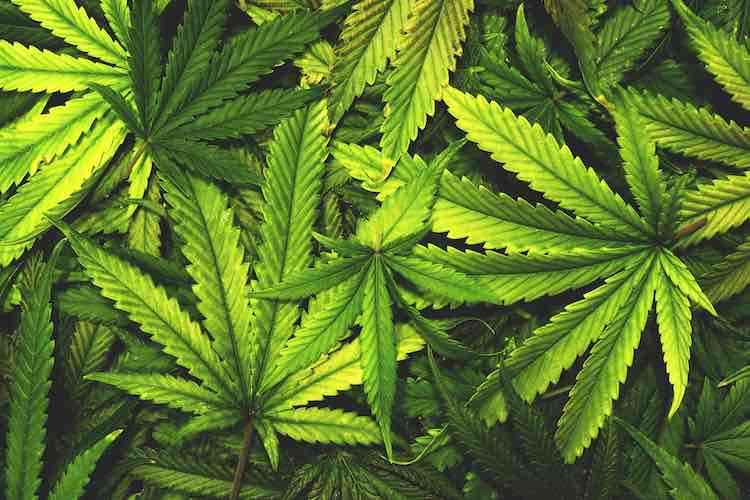
Leaves from the cannabis plant are bright green and have a distinctive shape with five or seven leaflets. The flowering tops and upper leaves are covered in a sticky resin.
Cannabis is used for the psychoactive (mind and mood-altering) effects of THC and other active ingredients. THC is the chemical in cannabis that makes you feel “high”.
There are three main forms of psychoactive cannabis: marijuana, hashish and hash oil.
Marijuana is the most common and least potent form of cannabis. Marijuana is the dried leaves and flowers of the plant.
Hashish (“hash”) is dried cannabis resin, usually in the form of a small block. The concentration of THC in hashish is higher than in marijuana, producing stronger effects.
Hash oil is a thick, oily liquid, golden brown to black in colour, which is extracted from cannabis. Hash oil is the strongest form of cannabis.
How and why is it used?
The different forms of cannabis are used in different ways:
- Marijuana is smoked in hand-rolled cigarettes (joints), or in a pipe (a bong).
- Hashish is usually added to tobacco and smoked, or baked and eaten in foods such as hash cookies.
- Hash oil is usually spread on the tip or paper of a cigarette and then smoked.
Cannabis and hash can also be smoked in a vaporiser. Vaporisers heat cannabis to temperatures that release its active ingredients while minimising the toxins associated with burning.
The THC in cannabis is absorbed into the bloodstream through the walls of the lungs (if smoked), or through the walls of the stomach and intestines (if eaten). The bloodstream carries the THC to the brain, producing the “high” effects. Drugs inhaled get into the bloodstream quicker than those eaten. This means that the effects of cannabis when smoked occur more rapidly than when eaten.
Paper and textiles
Some species of cannabis have few psychoactive effects. These plants are used to produce hemp fibre for use in paper, textiles and clothing.
Medical uses
Cannabis has been used for medical purposes for many centuries. It has been reported that cannabis may be useful to help conditions such as:
- nausea and vomiting, particularly when associated with chemotherapy
- wasting and severe weight loss, in people with HIV/AIDS, cancer, or anorexia nervosa, as it may be used as an appetite stimulant
- pain relief, for example in people with cancer and arthritis
- relief from symptoms of some neurological disorders that involve muscle spasms, including multiple sclerosis and spinal cord injury
- glaucoma
- epilepsy
- asthma.
For more information, please click on the Alcohol and Drug Foundation’s (previously Australian Drug Foundation) logo below.