
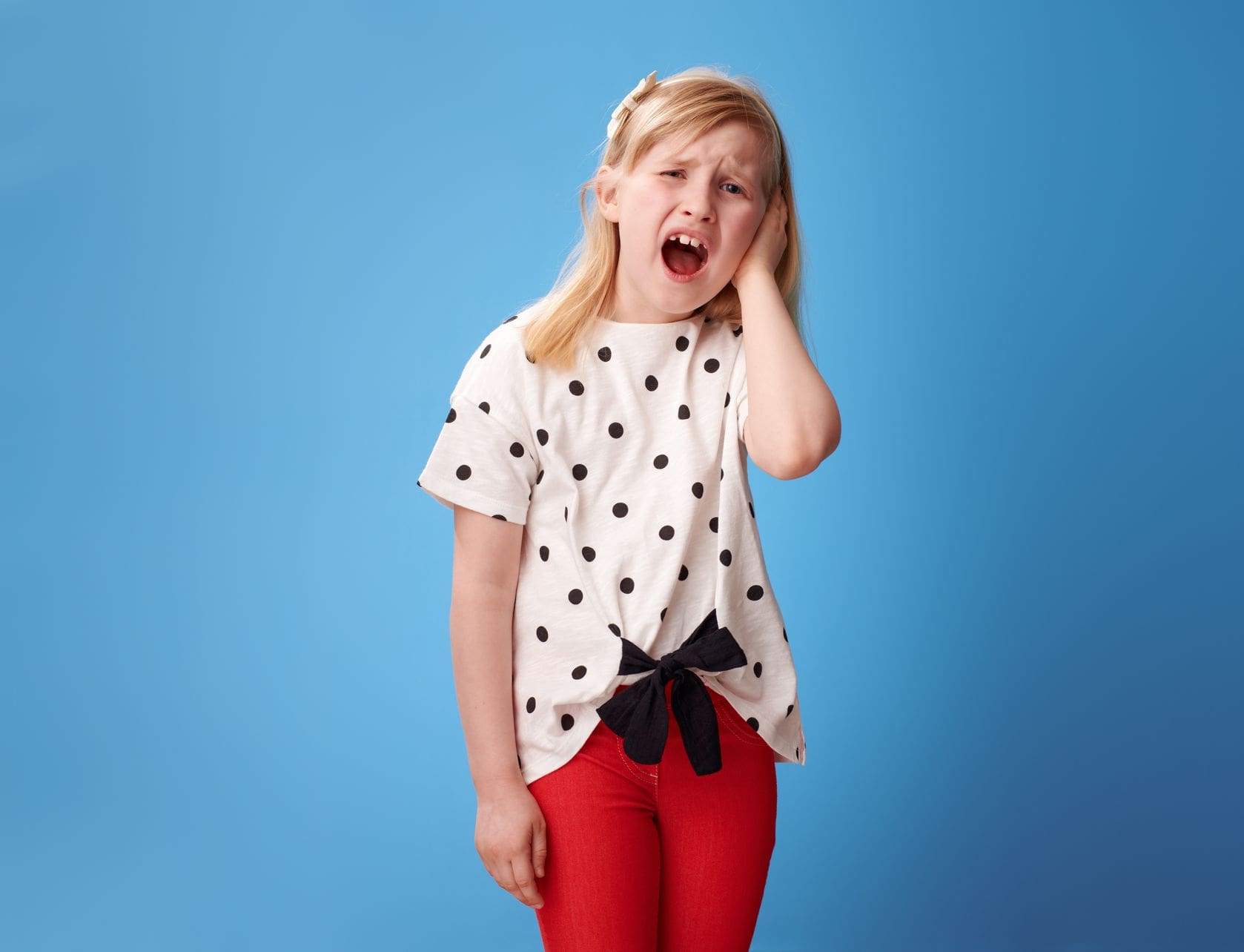
Otitis media is the medical name for middle ear infections, which are very common in young children.
Acute otitis media is an infection of recent onset, and is associated with a build-up of fluid in the middle ear. Symptoms of acute otitis media usually include earache and fever. Otitis media with effusion, also known as ‘glue ear’, describes fluid that remains in the middle ear after the infection has gone. It is usually not painful but can affect children’s hearing.
Children with acute otitis media usually get better quickly with pain relievers and self-care measures. Sometimes antibiotics are also needed. Children who develop glue ear and other complications may need additional treatments.
Symptoms of ear infection
Most children with acute otitis media will complain of ear pain. Other symptoms may include:
- irritability and crying in young children who are unable to tell you that they have a sore ear;
- tiredness;
- disrupted sleep;
- fever;
- reduced appetite; and
- vomiting.
Because many cases of otitis media are caused by a viral infection, there are often other symptoms associated with the infection, such as a sore throat, runny nose or a cough.
What causes otitis media?
Middle ear infections can be caused by viruses or bacteria.
Most children who develop a middle ear infection have a viral infection (such as a cold), which causes inflammation and swelling in the nasal passages and eustachian tube.

The eustachian tube connects the middle ear to the back of the throat, and if it becomes blocked, fluid can build up in the middle ear. A middle ear infection (acute otitis media) can happen when the fluid becomes infected.
Otitis media is more common in children attending day care or living with brothers or sisters because they are exposed to more cold viruses. The risk is also increased in children exposed to tobacco smoke in the home.
The risk of recurrent bacterial middle ear infections is increased in children who:
- attend group childcare;
- are exposed to cigarette or wood fire smoke at home;
- have hay fever; or
- have enlarged adenoids (areas of lymphoid tissue at the back of the nose that can block the eustachian tube when swollen).
Who gets otitis media?
Otitis media is a common childhood illness. It has been estimated that about 75 per cent of children will have had otitis media at least once by the time they start school. Acute otitis media occurs most often in children aged between 6 and 18 months, but is common up until 4 years of age.
Middle ear infections: tests and diagnosis
If you are concerned that your child may have a middle ear infection, see your GP (general practitioner).
Your doctor will ask about your child’s symptoms and whether they have had problems with ear infections in the past. They will want to examine your child’s ears with an instrument called an otoscope, which can be used to view the eardrum (tympanic membrane). In acute otitis media, the eardrum appears inflamed and bulging due to fluid build-up in the middle ear behind the eardrum.
Your doctor will also take your child’s temperature and look for other signs of infection (for example, bronchitis or a chest infection). Tests are rarely needed.
Otitis media: what is the best treatment?
The best treatment for your child will depend on their age and how unwell they are.
It is usually suggested that children over 6 months of age who are only mildly unwell are initially treated with pain relievers and self-care measures. If your child’s symptoms persist for more than 48 hours or if they get worse at any time they may need antibiotics.
Pain relievers, such as paracetamol or ibuprofen, should always be used at the correct dosage for your child’s age and weight. Do not give aspirin to children or teenagers. Remember to see your doctor if you are worried that your child is not improving or if they are getting worse.
Self-care measures for children with ear infections include:
- rest;
- applying a warm compress to the ear to relieve pain;
- applying a cool compress to the forehead to relieve fever; and
- keeping up their fluid intake to avoid dehydration.
When are antibiotics needed?
The majority of children with acute otitis media will get better regardless of whether they take antibiotics or not. However, antibiotics are recommended in certain circumstances.
Children with acute otitis media will usually be prescribed antibiotics straight away if:
- they are younger than 6 months of age; or
- they are unwell.
Antibiotics may also be needed in children:
- who have been treated with pain relievers and self-care measures and are getting worse or not improving after 2 days.
The first-choice antibiotic for acute otitis media in children in Australia is amoxicillin. An alternative antibiotic will be prescribed if your child is allergic to penicillin. Make sure your child takes the entire course, and let your doctor know if they don’t start improving quickly – a different antibiotic may be needed.
What medicines are not helpful for ear infections?
Antihistamines, decongestants and corticosteroid medicines have not been proven to be of any benefit in the treatment of acute otitis media or glue ear.
Treating complications of middle ear infection
A perforated eardrum is a common complication of acute otitis media in children. It can cause fluid to leak from your child’s ear, which is often associated with relief from ear pain as the pressure on the eardrum has been released. Treatment is the same as for acute otitis media. Your child should not go swimming while the eardrum is healing.
Glue ear sometimes develops after an acute ear infection. This means that there is persistent fluid in the middle ear (otitis media with effusion). It often causes no symptoms but can cause temporary hearing impairment. Most children with glue ear get better within 3 months without the need for treatment, and have no ongoing problems with hearing or language development.
Children with persistent glue ear and problems related to hearing or speech development need further assessment. Your doctor may recommend a hearing test and referral to an ear, nose and throat (ENT) specialist or a paediatrician. Your child may need treatment with tympanostomy tubes (grommets) – small tubes that are inserted into the eardrum to help drain the fluid and allow air to enter the middle ear, so that your child is able to hear normally.
Chronic suppurative otitis media is middle ear infection with perforation of the eardrum and fluid discharge from the ear that has lasted at least 6 weeks. The ear canal needs to be cleaned several times a day and antibiotic drops given into the ear. Oral antibiotics are also sometimes needed.
Other complications are rare for most children living in Australia. Children in some Aboriginal and Torres Strait Islander communities may be at increased risk of otitis media and its complications, including acute mastoiditis (an infection of the bone behind the ear). Indigenous children with acute otitis media may need immediate treatment with antibiotics and a longer course of antibiotics to prevent complications.
Does air travel make ear infections worse?
Travelling by plane can increase ear pain in children with acute otitis media. It’s best to avoid air travel while your child has a middle ear infection if possible. If travel cannot be delayed, make sure they have pain relievers (paracetamol or ibuprofen) before and during the journey.
Do children grow out of ear infections?
As children get older they tend to have fewer colds, so they are less likely to develop ear infections.
Also, the eustachian tube (which connects the middle ear to the back of the throat) gets bigger as children grow. That means that the tube won’t become blocked as easily when it’s inflamed during a cold, so fluid is less likely to get trapped in the middle ear, making ear infections less common.
When to see the doctor about an ear infection
Many middle ear infections in children get better in a day or so with care you can give at home. You should see your doctor if:
- your child is younger than 6 months;
- your child has a very high or persistent fever;
- your child seems very unwell;
- your child is not getting better or is getting worse;
- there is fluid coming from your child’s ear;
- if there is pain, swelling or redness behind the ear; or
- you are concerned for any reason.
