
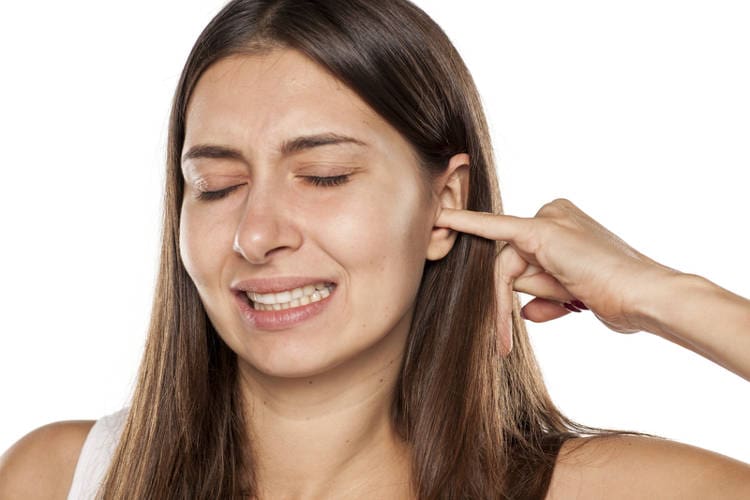
There are many different types of ear problems. For example, ear pain may be caused by infections of the tonsils, jaw or sinuses. Chronic infection, for example, glue ear, can cause hearing loss that can affect learning and disrupt lifestyle, and exposure to loud noise can also damage hearing. As well as infections, dermatitis can occur in the ears as a result of reactions to topical medicines, wearing jewellery, cosmetics or methacrylate ear plugs.
Common ear problems
- Otitis media: inflammation of the middle ear which causes a build-up of fluid, with or without an infection. If there is an infection, it is often viral. Many children will have several bouts of otitis media before they are 7 years old. Symptoms include crying, ear pulling, mild fever and irritability.
- Glue ear: a type of chronic otitis media. A long-term build-up of thick or sticky fluid in the middle ear behind the eardrum causes hearing loss. This can make socialising and learning difficult, especially if hearing loss is not recognised in early childhood.
- Ear wax: protects the ear and is normal. However, a build-up of wax may be a problem in some adults, and may require wax-softening ear drops. Sometimes the ears may also need to be syringed clean by a doctor. Impacted ear wax rarely causes an ear discharge or pain, but it may cause hearing impairment.
- Swimmer’s ear: develops when humidity, heat and moisture cause the skin layer inside the ear to swell. The addition of further water, for example, through swimming, makes the skin lining the ear canal even softer and liable to infection. Attempts to remove the water with cotton buds or other objects may make the condition worse, causing pain and itching.
Preventing ear problems
Self-management of ear problems, particularly earache and ear discharge, is not recommended. However, the following tips may help prevent ear problems.
- Do not use cotton buds or other devices for cleaning your ears. Repeated attempts to remove earwax with a cotton bud or similar object may result in the wax becoming more deeply impacted.
- If you have swimmer’s ear, you should use earplugs to help prevent water entering your ears.
- If you are working in a noisy environment, including a home environment, use ear protectors.
- Blow your nose correctly. Do not squeeze the nose when blowing and do not sniff.
It is important that you get any hearing loss checked. Hearing impairment in a child is sometimes suspected if the child is inattentive at school, does not respond to instructions, seems to be disobedient or wants the television on loud. If you suspect a hearing impairment in your child, they should be taken to see a doctor. It is important that a doctor examines their ears, preferably using tympanometry to investigate ear pressure.
When should you seek medical advice?
You should seek medical advice if you have:
- ear pain and/or dizziness;
- pus or blood discharging from your ear;
- earache and feel generally unwell, with a fever and malaise;
- had any neck or head trauma before the ear pain started;
- hearing that is acutely impaired or gradually deteriorating;
- a foreign object in your ear or suspect you might have; or
- used a medicine for your ear and it has not improved or has become itchy, as this may indicate allergic dermatitis as a result of the medicine.
