
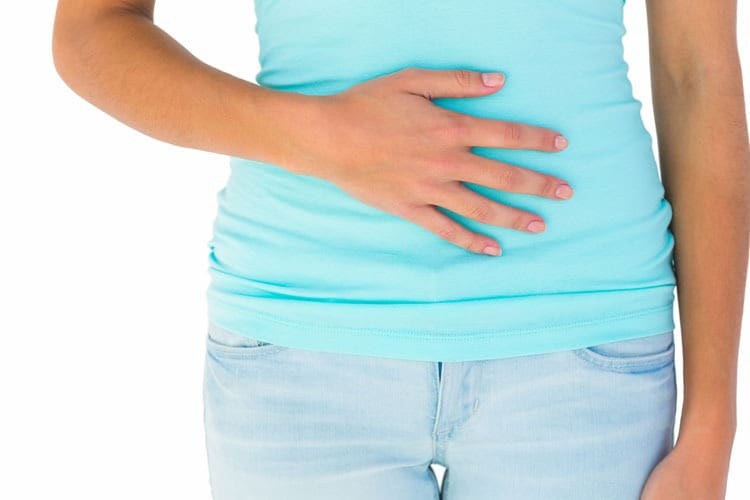
What is irritable bowel syndrome?
Irritable bowel syndrome (IBS) is a chronic (ongoing) disorder in which the normal rhythmic movement of your gut (bowel) is disturbed — this can lead to abdominal pain, bloating and excessive gas. You may have trouble going to the toilet (constipation), or have very loose and urgent bowel motions or stools (diarrhoea).
Irritable bowel syndrome is very common — up to one in 6 Australians will have IBS symptoms at some time in their life.
How do you get irritable bowel syndrome?
No one knows exactly what causes irritable bowel syndrome, although stress can make the condition worse.
A combination of several factors is thought to be involved in the development of IBS. It may be that your system can’t handle some foods. Other factors may include:
- the nerves in the bowel being extra sensitive;
- having altered levels of circulating hormones and chemicals called neurotransmitters that act on the bowel; and
- changes in the type and amount of bacteria in the small intestine.
You may have had food poisoning or another gastrointestinal infection in the past, which has affected the nerves in your gut and caused IBS symptoms to start or recur.
Irritable bowel syndrome is more commonly seen in people who have family members with gastrointestinal conditions.
What does irritable bowel syndrome feel like?
If you have irritable bowel syndrome you may experience the following symptoms:
- cramps and bloating in your lower abdomen;
- pain in the abdomen that may be worse on your left side and that usually feels better after you go to the toilet or pass wind;
- mucus in your stools;
- diarrhoea — having to go to the toilet too often or urgently and having very loose stools;
- constipation — not going to the toilet enough, having small, hard stools that might be hard to push out; feeling that you have not finished; or
- you may have constipation some times, diarrhoea others, and then be fine for a while.
What makes irritable bowel syndrome worse?
People with IBS find that certain things can make their symptoms worse. These so-called triggers may include the following.
- Some food and drinks. Each person is different, but foods that may be a problem are fatty foods, sugary foods or those containing sweeteners, ones that cause gas (e.g. carbonated drinks), and milk, chocolate, coffee, tea and alcohol.
- Eating too quickly or too much.
- Uncontrolled stress.
- Some women find that their IBS symptoms are worse when they have their period.
Avoid your triggers as much as possible to help control IBS symptoms.
Diagnosis
Your doctor will usually make a diagnosis of irritable bowel syndrome based on your symptoms. To help make the diagnosis your doctor will want a detailed description of your symptoms, including how often you are affected and what makes your symptoms better or worse.
If there is uncertainty about whether you have a more serious problem (e.g. if you have bleeding from the bowel, or considerable weight loss, which do not occur in IBS) your doctor may order other tests, such as:
- blood tests;
- a stool sample test;
- a sigmoidoscopy (to look at the lining of the last part of your bowel using a lighted tube with a camera); or
- a colonoscopy (to look at the lining of your large intestine through a flexible, lighted tube with a camera).
If you have IBS, the results of all these tests are likely to be normal.
Treatment: what makes irritable bowel syndrome better?
While medicines can help relieve some of the symptoms of IBS, no cure is currently available. So modifying your lifestyle is the most important thing you can do.
Lifestyle modifications for IBS
The following self-care measures can help improve your IBS symptoms.
- Avoiding or learning how to handle stress: counselling; yoga; breathing exercises; meditation; and relaxation tapes and classes may help.
- Exercise — being more active helps digestion.
- Eating well, including a variety of foods and plenty of vegetables, fibre and water. Add fibre to your diet slowly as it may make things worse at first.
- Regular, small meals are recommended.
- Write down what you have been eating, doing and feeling when your gut gets upset, to see if there is any pattern, and try to avoid possible IBS triggers in future.
Your doctor can discuss dietary options and refer you to a dietitian for specific advice.
Medicines and therapies for IBS
If your IBS symptoms are not being controlled by the self-care measures outlined above, your doctor may recommend or prescribe medicines to help with cramping, pain, diarrhoea or constipation. Be careful to use your IBS medicines only at the times that your doctor suggests, rather than using them continuously.
In addition to medicines, eating foods and/or taking products that contain probiotics may help control some IBS symptoms. Ask your doctor for advice on taking probiotics.
There are also psychological treatments that may benefit people with IBS who have symptoms triggered by stress, anxiety and depression.
IBS should not cause blood in the stools, fever, or symptoms that wake you up at night. If you have symptoms like these, or vomiting, dizziness or fainting, you should see your doctor.
What happens if irritable bowel syndrome is not treated?
Irritable bowel syndrome can cause considerable discomfort and distress, but is not life-threatening. Many people worry about cancer, but there is no link between IBS and bowel cancer or other serious conditions. See your doctor if you are concerned.
