
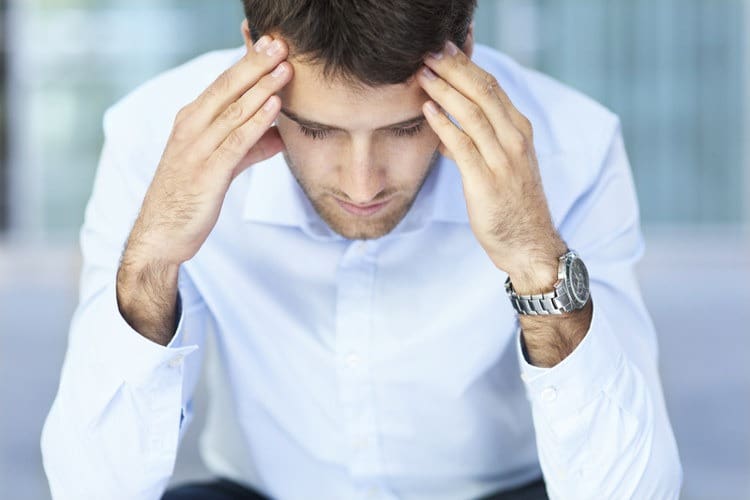
What is a migraine?
A migraine is a type of headache that is often accompanied by additional symptoms such as nausea and vomiting. Migraines are common, and affected people have migraines from time to time. Many people who get migraines are aware that certain things can trigger their migraines.
While migraines can be severe, and often stop you from taking part in your usual activities, there are treatments available to help prevent and treat migraines. Taking steps to avoid migraine triggers (when possible) is also recommended.
Most people find that their migraines gradually improve as they get older.
Migraine symptoms
Most migraine headaches are described as a moderate to severe throbbing headache that is felt mostly on one side of the head. The pain is typically centred over one eye or temple, or the back of the head, but it may involve both sides of the head. The pain may be worse when you move.
Other common symptoms of migraines include:
- nausea and vomiting; and
- sensitivity to light and noise.
Migraines may last from several hours to a few days. Generally, migraines prevent you taking part in your usual activities, whether work or pleasure. Most migraine sufferers report needing to lie down in a dark room during a migraine.
Migraine aura
In some people, certain warning symptoms may begin before the headache, or accompany the headache. This is what is known as an aura. Aura symptoms usually last about 10 to 30 minutes and can include:
- visual changes (e.g. seeing white spots, flashing or zig-zag lines in your field of vision, blind spots or temporary loss of vision);
- dizziness;
- feeling pins and needles;
- speech problems;
- mood disturbances; or
- ringing in your ears or hearing other noises.
Rarely, other symptoms such as weakness may occur.
Sometimes the aura symptoms are more pronounced than the headache, which may be only mild.
Migraine with aura is also known as classical migraine. Most people who get migraines do not experience aura symptoms – these migraines are called migraines without aura or common migraines.
Migraine stages
Migraines can be divided into 4 stages, However, not all migraine sufferers will experience symptoms associated with each of these 4 stages.
The stages include:
- Stage 1 – the prodromal or pre-headache stage. Symptoms may start a couple of days before a migraine and include changes in energy levels and mood and food cravings.
- Stage 2 – aura.
- Stage 3 – the headache stage.
- Stage 4 – the post-dromal or resolution stage. Symptoms may include tiredness, lack of concentration and dizziness.
Who gets migraines?
Most people who get migraines start to experience them from adolescence or early adulthood. Migraines are 2-3 times more common in women than in men – with about one in 5 women and one in 15 men getting migraines. They can also sometimes occur in children.
Among those affected by migraines, the frequency of migraine attacks varies from person to person.
What causes migraines?
The exact cause of migraines is not known but changes in brain activity, nerves, blood vessels and chemicals in the brain seem to be involved, as does genetics – migraines tend to run in families.
Some experts believe that the cause of migraine in susceptible people is a chemical signal that triggers pain sensors along the trigeminal nerve, a nerve which supplies the tissues of the cheeks, jaw and forehead. This chemical signal causes widening of blood vessels in the head. This process irritates local nerve fibres, and sends pain signals back to the brain.
It is also thought that the brain chemical serotonin plays a role in this process.
Migraine triggers
There are many well-known trigger factors for migraine including lack of sleep, stress and certain foods. Although migraine trigger factors don’t actually cause a migraine on their own, they can set off the processes that lead to a migraine developing in people who are prone to them.
A person may have several different migraine triggers. Keeping a symptom diary can be helpful for working out the possible triggers for your migraines.
Exposure to more than one trigger may produce a cumulative effect that is more likely to result in a migraine. For example, in women who tend to get migraines when they get their period, exposure to other triggers around this time, such as late nights and alcohol, may make a migraine more likely. At other times, alcohol on its own may not result in a migraine for this person.
It can be difficult to avoid all of your triggers, all of the time. However, an awareness of your triggers can allow you to avoid some of them, and help you manage and sometimes prevent a migraine.
| Common migraine triggers | |
|---|---|
| Lifestyle | Stress Stress ‘let-down’, e.g. on a weekend or holiday Missing a meal Lack of sleep Oversleeping Fatigue Long travel journeys and jet lag Overexertion when you are unfit Dehydration |
| Physiological | Hormone fluctuations, such as changes in oestrogen levels around the time of menstruation or menopause |
| Environmental | Certain odours, including smoke, perfume and certain chemical smells Bright lights or glare from the sun Weather changes |
| Medications | Some medications including birth control pills, hormone replacement therapy and some angina medicines |
| Alcohol | Especially wine |
| Foods | Cured meats containing nitrates Chocolate Caffeine Nuts Pickled foods Monosodium glutamate (MSG) Aged cheese Yoghurt and sour cream Onions Brown vinegar Citrus fruits Tyramine (a food additive) and Aspartame (a sweetener) |
When to see your doctor about headaches
If you get headaches that are frequent or severe and difficult to treat, see your doctor. Your doctor will ask about your symptoms and whether anything seems to trigger your headaches. There are no specific tests to help your doctor diagnose migraine – diagnosis is based on your symptoms and physical examination.
If your doctor suspects you are having migraines, they will recommend migraine treatment options.
Some headaches can be a sign of a serious health problem. If you develop a sudden, severe headache, a headache that is different from usual, or a headache with neck stiffness or fever, seek immediate medical attention.
