
Q. What is gestational diabetes?
A. Gestational diabetes is a form of diabetes that develops during pregnancy. It is different from having known diabetes before pregnancy and then getting pregnant.
Gestational diabetes is generally diagnosed in the second and third trimesters of pregnancy, and usually goes away after the baby is born.
Gestational diabetes can cause problems for the mother and baby, but treatment and regular check-ups mean most women have healthy pregnancies and healthy babies.
Q. Am I at risk of gestational diabetes?
A. Gestational diabetes affects between 10 and 15 per cent of pregnancies in Australia. Women of certain ethnic backgrounds — Australian Aboriginal or Torres Strait Islander, Indian, Asian, Middle Eastern, African, Maori and Pacific Islander — are more at risk of developing gestational diabetes than women of Anglo-Celtic backgrounds.
Other factors can also increase your risk, including:
- being overweight;
- having a family history of diabetes;
- having had gestational diabetes in a previous pregnancy;
- being 40 years or older;
- having polycystic ovary syndrome (PCOS);
- taking medicines that can affect blood sugar levels (such as corticosteroids and antipsychotic medicines); and
- previously having a very large baby (more than 4.5 kg).
Q. How would I know if I had gestational diabetes?
A. Gestational diabetes does not usually give rise to symptoms. For this reason it is important to be tested during pregnancy, usually between 24 and 28 weeks.
Women with risk factors for diabetes may be offered testing earlier than this – sometimes at the first antenatal visit, which is often at around 10 weeks.
Women who do develop symptoms may experience:
- extreme tiredness;
- being thirsty all the time;
- symptoms of recurrent infections (such as thrush); and
- needing to pass urine more than usual.
Women who experience symptoms at any stage of pregnancy should be tested for diabetes.
Q. What is the test for gestational diabetes?
A. The usual screening test for gestational diabetes is called a glucose tolerance test. This test is routinely recommended for pregnant women at 24-28 weeks.
Women with symptoms or risk factors for diabetes will usually be tested earlier in the pregnancy and again at 24-28 weeks (if the first test was normal).
Glucose tolerance test
You need to fast before a glucose tolerance test. Most women have the test done in the morning so that they can fast overnight. A blood sample is taken to measure your fasting blood glucose level.
You then drink a 75 gram glucose solution and blood samples measuring the glucose level are taken after one hour and again at 2 hours.
The 3 blood glucose measurements are used to determine whether you have gestational diabetes.
Q. What does gestational diabetes mean?
A. In women with gestational diabetes, natural hormones secreted by the placenta during pregnancy increase the body’s resistance to insulin. In other words, your body’s cells are not responding normally to insulin.
This means that your body needs much more insulin than usual to carry out its job of helping the body’s cells to take up glucose from the bloodstream after a meal. The result is that the glucose stays around in the bloodstream, hence the high glucose reading of your blood test.
Women who are found to have very high blood glucose levels may be given the diagnosis of diabetes in pregnancy. These women are likely to have had pre-existing, undiagnosed diabetes before they were pregnant, and are often diagnosed in the first 12 weeks of pregnancy (first trimester). Women with diabetes in pregnancy may need to have more tests, more intensive treatment during pregnancy, and closer follow-up after pregnancy.
Q. Does this mean that I will always have diabetes?
A. In women with gestational diabetes, blood glucose levels usually go back to normal after the baby is delivered.
It is recommended that women with gestational diabetes have another glucose tolerance test 6 to 12 weeks after having the baby to make sure that their blood glucose levels have returned to normal.
Some women’s blood sugar levels will remain high after giving birth. These women most likely have underlying type 2 diabetes.
Because having gestational diabetes increases your risk of developing type 2 diabetes, it is advised that all women who have had gestational diabetes have a blood glucose test every year, or a glucose tolerance test about every 2 years.
Q. Will my baby be affected?
A. Gestational diabetes in a mother should not cause birth defects in her unborn child. However, if gestational diabetes goes undiagnosed and is not treated, there is a higher risk of certain problems in the baby, including the following.
- High birth weight. This can make vaginal delivery difficult, and can result in having an assisted delivery or a Caesarean section. Sometimes the baby may be injured during vaginal birth.
- Breathing difficulties after birth.
- Jaundice.
- Low blood glucose levels (hypoglycaemia) after birth. Babies born to mothers with diabetes will have their blood glucose levels tested regularly for the first few days after birth.
Q. What happens if gestational diabetes isn’t treated?
A. It is not good for your baby if extra glucose from your blood is crossing the placenta and going into the baby’s bloodstream. The high blood glucose levels of the baby will make it produce extra insulin to try to get rid of the extra glucose. The extra glucose can also feed the baby up, which is why women with untreated gestational diabetes give birth to big babies.
If the baby has been pumping out extra insulin to deal with the excess glucose coming its way across the placenta from the mother, when the baby is born, it can suffer from low blood glucose. This happens because suddenly, the extra glucose the baby has been receiving has gone, but the baby’s pancreas is still secreting lots of insulin to take the glucose out of the bloodstream. Babies at risk usually have their blood glucose monitored after birth.
In addition, pregnant women with gestational diabetes have an increased risk of developing high blood pressure and pre-eclampsia (a pregnancy condition characterised by high blood pressure, protein in the urine and swelling of the hands, feet and face). This can be dangerous for both the mother and the unborn baby.
The good news is that if you can achieve good blood glucose control during pregnancy, a healthy baby and a safe delivery are likely.
Q. What is the treatment for gestational diabetes?
A. Treatment for gestational diabetes will focus on bringing your blood glucose levels within the normal range and keeping tight control of them. Most women can achieve good control with diet and exercise, but others may have to take insulin.
Your doctor may refer you to a diabetes specialist (an endocrinologist) and will probably advise that you see a dietitian or a diabetes educator to help you with your diet. They will be able to advise you about low glycaemic index foods, and ensure that your dietary intake is rich in vitamins and nutrients for your growing baby. While it is important not to over-eat, it is also important not to under-eat, as this too can affect the baby’s growth.
Getting 30 minutes of moderate intensity physical activity on most, if not all, days of the week is safe and recommended for most pregnant women, including those with gestational diabetes. Your doctor or diabetes educator can advise you about what exercise you can do. Walking is one of the best and easiest ways to increase the amount of exercise you get. Try walking for 20 to 30 minutes 3 or 4 days a week to start with.
If diet and exercise measures don’t give you good control of your blood glucose, your doctor may advise that you start on insulin.
Q. Will I have to monitor my blood glucose levels?
A. Self-monitoring of your blood glucose levels (blood sugars) is the best way of knowing whether you have achieved good control of your blood glucose levels. Usually you will be advised to take fasting measurements (before meals when you have an empty stomach) as well as measurements one to 2 hours after you have eaten. You should record all your results in a home glucose diary.
Measuring your blood glucose levels should be done 4 times per day to start with. If your blood glucose levels are well controlled, you may be able to start measuring your levels less frequently.
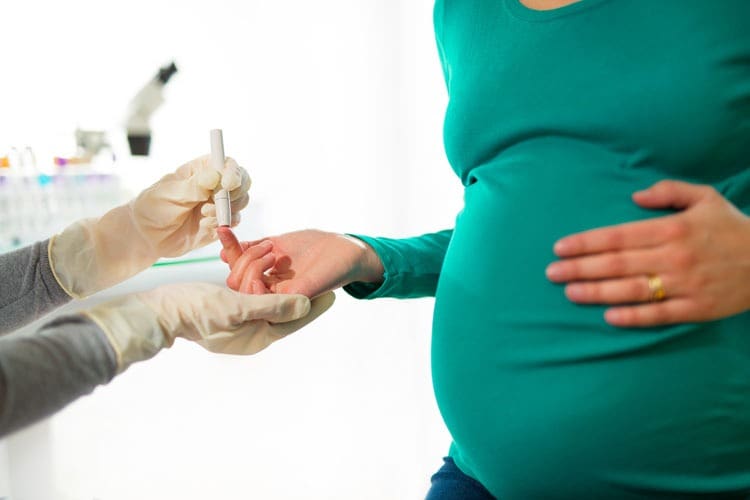
Monitoring of your blood glucose is done using a blood glucose meter. To get a drop of blood for monitoring, your finger is pricked with a special device. There are several different types of these devices available and they aim to make it as easy and as painless as possible.
Q. What if I need insulin?
A. For some women, diet and exercise will not be enough to bring their blood glucose into the required range. If this is the case, you will probably need to have insulin injections.
Based on what times of day your blood glucose readings are high, members of your health team will advise you when you should inject insulin. If your glucose levels are staying high after a meal, you will probably be advised to inject short-acting insulin before meals.
In some women, oral diabetes medicine (tablets) may be given, sometimes in combination with insulin, to treat gestational diabetes.
Q. What are my chances of getting gestational diabetes again in a later pregnancy?
A. Once you’ve had gestational diabetes, the chance of you having it again in any future pregnancy is increased. In future pregnancies, it’s recommended that you have early testing for gestational diabetes (at 12 to 16 weeks) and testing again at the usual recommended time (around 26 weeks) if the first test was normal.
Following a healthy diet, getting regular physical activity and maintaining a healthy weight will help to reduce your chance of developing gestational diabetes again.
Q. What does having gestational diabetes mean for my future?
A. As mentioned, your chance of developing gestational diabetes again in further pregnancies is increased. Plus the chance of you developing type 2 diabetes is also increased.
Following a healthy diet, keeping your weight at a safe level, and having regular physical activity will help to reduce your chances of these things happening. Your doctor will recommend that you also have your blood sugar levels checked yearly, or have a glucose tolerance test about every 2 years.
Q. Can gestational diabetes be prevented?
A. There are things you can do to reduce your risk of getting gestational diabetes. Making sure you eat a healthy diet, get enough physical activity and maintain a healthy weight lowers your chances.
Ensuring you have a healthy lifestyle before you get pregnant and then continuing on this track once you become pregnant will give you the best chance of avoiding gestational diabetes.


