
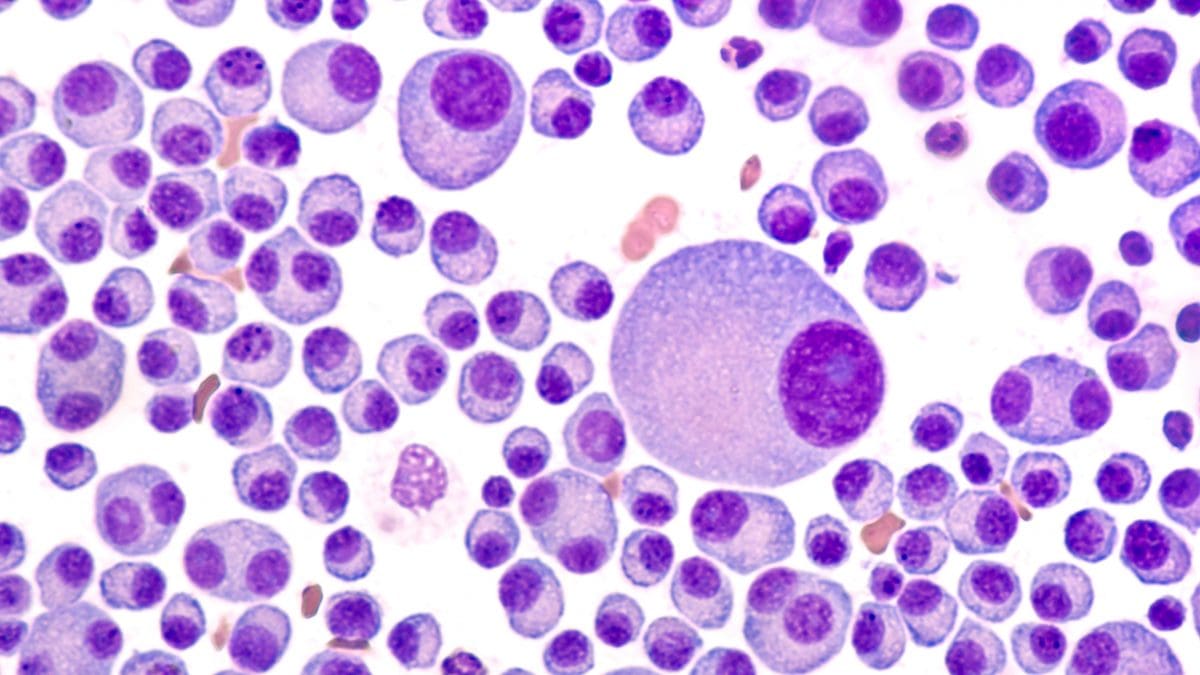
What is multiple myeloma?
Multiple myeloma is a type of cancer affecting plasma cells, which are a mature form of white blood cell found in the bone marrow. Healthy plasma cells are part of the immune system, and fight infections by producing antibodies. In people with multiple myeloma, the plasma cells do not function properly — they grow and divide uncontrollably, and are not able to produce antibodies normally.
Who is affected by multiple myeloma?
Of the approximately 1,500 Australians who are diagnosed with multiple myeloma each year, almost all are older than 40 years. Multiple myeloma is most common in people aged 60 years and older, and men are affected more often than women.
What causes multiple myeloma?
The exact cause of multiple myeloma is not known. Researchers have discovered that genetic abnormalities probably contribute to the development of this type of cancer in almost all cases.
Other possible risk factors may include:
- being overweight or obese;
- exposure to radiation; and
- ongoing exposure to certain industrial or environmental chemicals.
Effects of multiple myeloma on the body
Your bone marrow (found inside most bones in the body) is responsible for producing blood cells — red blood cells, white blood cells and platelets. In people with multiple myeloma, the abnormal plasma cells (myeloma cells) crowd out the normal bone marrow, so it can’t produce the usual number of healthy blood cells. This can cause anaemia, bleeding problems, and weakening of the immune system.
The myeloma cells also produce a substance that can weaken the bones, causing bone pain and sometimes even fractures. People with multiple myeloma sometimes also have problems with elevated blood calcium levels. This can occur when calcium from bones that are affected by myeloma dissolves into the blood.
In addition, the myeloma cells usually produce abnormal proteins, known as paraproteins (also called monoclonal immunoglobulins, myeloma proteins or M proteins). Fragments of paraproteins, known as light chains, can damage the kidneys if present in large amounts. Kidney damage can also be caused by high calcium levels and dehydration.
Multiple myeloma symptoms
Some of the characteristic signs and symptoms of the disease include:
- painful bones (most commonly, the spine, ribs, hips and skull are affected);
- bones that fracture easily;
- a tendency to bruise easily;
- being prone to catching infections;
- weight loss;
- tiredness;
- symptoms of raised blood calcium levels (including stomach pains, constipation, nausea, excessive thirst and urination, and mental confusion); and
- symptoms of kidney damage (such as fatigue, swollen ankles and confusion).
Diagnosis
People suspected of having multiple myeloma will usually need to have blood tests, looking for evidence of paraproteins (also called monoclonal immunoglobulins, myeloma proteins or M proteins) – the abnormal proteins produced by myeloma cells – or parts of these paraproteins (light chains).
Urine can be tested for evidence of light chains – when light chains are detected in the urine they are called Bence-Jones proteins.
Blood tests can also be done to check the number of red blood cells, white cells, platelets, plus calcium levels and kidney function.
X-rays or scans of the bones are also performed to determine if there are any areas of bone that have been weakened or eroded. Scans can also detect any tumours in the soft tissues of the body.
A bone marrow biopsy and aspiration — a test that involves taking a small sample of bone marrow, which is examined under a microscope to look for myeloma cells — is often required.
Treatment
While there is no cure for multiple myeloma, there are treatments available which can treat the symptoms and complications, stabilise the disease, and slow down its progress. In most people, treatment can control the disease for between several months to a few years.
If you have multiple myeloma that is still in its early stages and you don’t have any symptoms, you may not need any treatment. But your condition will need to be carefully monitored by your doctor, so that treatment can be started if necessary.
If you do have symptoms, there are treatments that can help control the disease, including:
- chemotherapy;
- radiotherapy;
- corticosteroids;
- immunomodulatory drugs (IMiDs);
- proteasome inhibitor medicines;
- bisphosphonate medicines to strengthen your bones and prevent your blood calcium level from rising; and
- stem cell transplants.
Often, a combination of treatments is recommended. Your doctor will recommend treatment based on how advanced the multiple myeloma is, your age and your general health.
There are medicines and therapies available to treat potential complications such as bone pain, kidney damage, infection, bone loss and anaemia.
Self help
Drinking plenty of fluids can help prevent the abnormal proteins produced by the myeloma cells from damaging your kidneys.
Also, try to stay as active as possible while you are feeling well — this can help prevent your bones from becoming weaker.
