
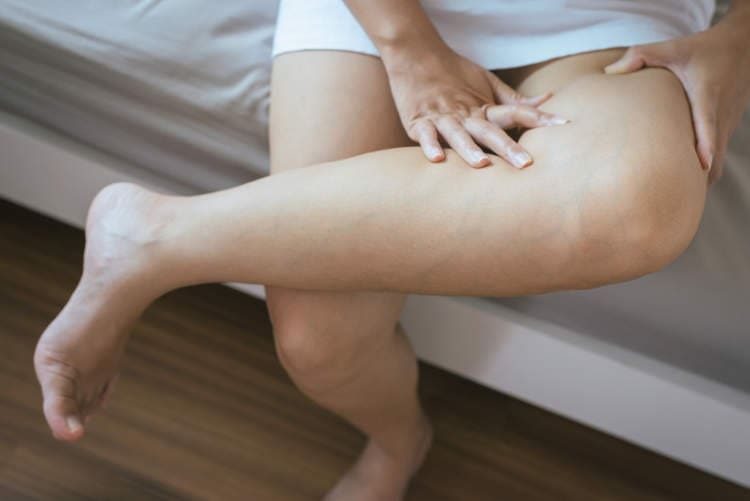
Lymphoedema is a condition where an accumulation of lymphatic fluid (lymph) in the body’s tissues causes chronic (ongoing) swelling (oedema).
The lymphatic system
The lymphatic system — made up of lymphatic vessels and lymph nodes — is part of the body’s defence system against infection.
Under normal circumstances, fluid that has oozed out the body’s smallest blood vessels into the body’s tissues is collected by lymphatic vessels and drained away, passing through lymph nodes on the way. The lymph nodes act as filters, trapping foreign particles, cellular waste, bacteria and viruses, which can then be destroyed by disease-fighting white blood cells.
In lymphoedema, there is damage to or blockage in the lymphatic system, which leads to the lymphatic fluid accumulating in the body’s tissues. This causes swelling in the tissues, usually of the arms or legs.
If the swelling is not treated, the lymphatic fluid can become thicker and difficult to move, which can lead to the affected body part becoming hard and fibrous.
Causes of lymphoedema
Primary lymphoedema
Primary lymphoedema is a rare, inherited condition that results from problems with the development of the lymphatic system.
There are 3 subtypes:
- congenital lymphoedema (onset at birth);
- lymphoedema praecox (onset in childhood or around puberty); and
- lymphoedema tarda (onset after the age of 35 years).
Secondary or acquired lymphoedema
Lymphoedema that is related to damage or blockage of the lymphatic system is known as secondary, or acquired, lymphoedema. This is the more common form of lymphoedema.
- It most commonly occurs as a result of surgery or radiation therapy for cancer in which the lymph nodes are removed or damaged.
Other causes of secondary lymphoedema include:
- injuries and tissue damage, including burns;
- cancer (tumours can block the flow of lymph, and some cancers can invade the lymphatic system);
- infection of the lymphatic system;
- immobility; and
- obesity.
In tropical and sub-tropical areas, infection with the parasite Filaria may cause lymphoedema, which can progress to the severe form known as elephantiasis.
Signs and symptoms
Lymphoedema usually starts as a painless gradual swelling of an arm or leg. As the swelling increases, the limb may feel heavy and uncomfortable and more difficult to move. Clothes, shoes and jewellery may feel tighter. Swelling is often worse at the end of the day, after prolonged inactivity or with overuse.
Sometimes infection can occur. With further swelling the limb may become painful and hard, and it may be resistant to pressure when pressed.
Diagnosis and tests
Your doctor may be able to diagnose lymphoedema based on your history and physical examination alone. In some cases, your doctor may want to rule out other causes of swelling – such as a blood clot – before making the diagnosis.
Sometimes an imaging test is needed to determine what has caused the lymphoedema, so your doctor may recommend an ultrasound, CT scan or an MRI.
A special imaging technique called lymphoscitigraphy can show problems with the lymphatic system. This test involves injecting a radioactive dye that is taken up by the lymphatic system and detected by a scanner. It may be ordered to confirm a diagnosis of primary lymphoedema.
Treatment
Unfortunately, there is no cure for lymphoedema. However, the condition can usually be managed by a combination of techniques. It is important to seek treatment early, as lymphoedema is a progressive condition.
Treatment is individualised and can include:
- education about the condition;
- skin care;
- an exercise routine;
- compression bandaging to reduce the swelling;
- specialised lymphatic massage; and
- compression garments.
Having lymphoedema increases the risk of infections such as serious skin infections (cellulitis) and infections of the lymphatic system (lymphangitis). It is important to take special care with skin and nails to reduce the risk of infection.
If you have had several episodes of cellulitis, you may need to take antibiotics to prevent further infections.
In the long term, management depends on understanding the condition and learning how to adapt your lifestyle. Your doctor can refer you to a specialised lymphoedema clinic for ongoing treatment and support. Information and help, both physical and emotional, should be available from qualified lymphoedema therapists, self-help groups and your doctor.
