
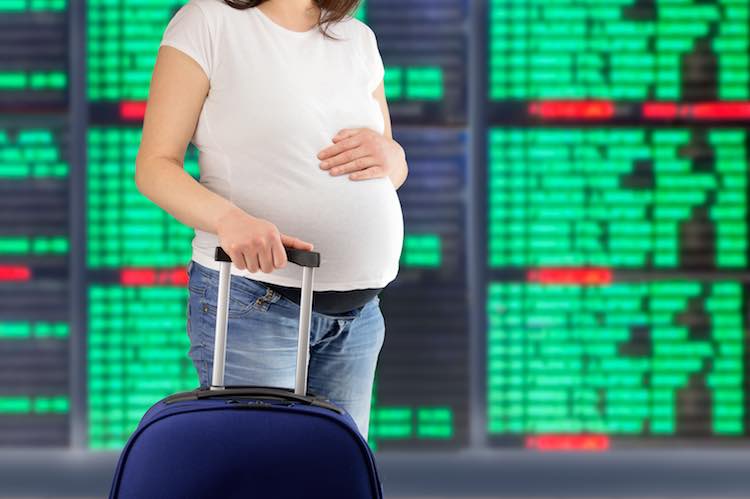
Just because you are pregnant, there is no reason why you should not travel, even by air, provided your general health is good. Here are some precautions you can take to keep you and your baby safe.
- It is important to seek the advice of your doctor before planning any extensive travel, particularly overseas trips involving air travel.
- The safest time in pregnancy to travel is the second trimester.
- If you have experienced problems such as a history of miscarriage or gestational diabetes, or you are having twins or triplets, your doctor may recommend you postpone any air travel.
- Travel with a companion to ensure your safety in the event of an emergency.
- Talk to your doctor about whether vaccinations and preventive medicines recommended for different areas can be administered when you are pregnant. Together, you can weigh up the risks and benefits of medicines and immunisations.
- Most airlines will not allow international travel by women beyond the 36th week of pregnancy, or beyond the 32nd week if you are expecting a multiple birth. You may need to carry a letter from your doctor stating that your pregnancy is normal, with no complications, and your due date. Domestic travel after 36 weeks may be allowed with medical approval.
- The Civil Aviation Safety Authority in Australia advises that pregnant women who are expecting multiple births or experiencing complications throughout their pregnancy may be required to seek medical approval for both international and domestic air travel.
- Avoid travel to less developed areas where emergency medical treatment and supplies may not be readily available. It is also prudent to avoid high altitude destinations.
- If you are flying or driving, wear your seatbelt low around your pelvis. Exercise your legs as much as you can, both in your seat and by walking around the aircraft if you are flying or by taking regular breaks if you are driving.
- Avoid water sports while you are pregnant: water skiing and scuba diving could harm your baby.
- Avoid hot tubs and saunas as excessive heat may place your baby at risk.
- If you are close to term, check the availability of medical facilities at your destination.
- Pregnant women have an increased susceptibility to malaria, and contracting the disease may cause serious complications and increase the likelihood of a premature birth. If you must travel to a malarial area discuss the use of antimalarial medications with your doctor; avoid the outdoors between dusk and dawn and use sprays, mosquito coils and bed nets.
- Pregnant women also have a higher risk of serious complications if they catch hepatitis E. Take particular care to avoid contaminated food and drink in countries where hepatitis E occurs.
- Most airlines will not carry newborn babies less than 48 hours old. Fit and healthy babies can travel by air 48 hours after birth, but it is preferable to wait until they are at least 7 days or older. Babies younger than 6 weeks may cope poorly with the discomfort caused by atmospheric changes within the aircraft.
- Always consult your doctor or healthcare professional before planning your travel and holiday activities.
