
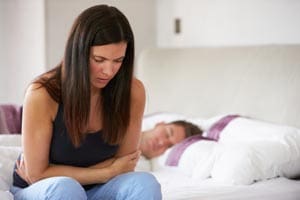
Many women experience nausea (and sometimes vomiting) in early pregnancy. While this is called morning sickness, the symptoms can actually occur at any time of the day or night.
It has been estimated that between 7 and 8 out of every 10 pregnant women will feel sick (nauseated) during their pregnancy and 5 or 6 out of 10 will experience some vomiting. In about 25 per cent of pregnant women, morning sickness is severe enough to cause difficulty going to work or carrying out other important daily activities.
Morning sickness usually starts around week 6 of pregnancy and gets better by week 12 to 14. However, for about 1 in 10 women nausea and vomiting persist throughout pregnancy. The good news is that morning sickness does not usually cause complications for the baby.
The exact cause of morning sickness is not known, but changes in hormones associated with being pregnant are thought to be involved. Morning sickness tends to be more common in:
- women who are pregnant with twins (and other multiple pregnancies);
- women with a family history of morning sickness; and
- women who had morning sickness in a previous pregnancy.
Coping with morning sickness
Here are some self-help tips that may help you cope with morning sickness.
- Try to get plenty of rest.
- Eat small, frequent meals during the day so that your stomach is never too full or empty.
- Try eating some dry crackers or plain biscuits before getting out of bed in the morning to reduce nausea first thing.
- Some women find that eating foods high in carbohydrates (e.g. potatoes, white rice, pasta, toast) and dry, salty crackers help relieve morning sickness. Having high-protein snacks between meals may also help.
- Avoid any foods that seem to aggravate your nausea (common culprits include rich, acidic, spicy and fatty foods).
- If the smell of food triggers your nausea, try eating cold foods, which tend to have less of an aroma than hot foods. It may also help to avoid cooking as much as you can. Seek support from friends or family.
- Try to drink fluids between meals, rather than when you are eating. Sipping throughout the day often works best. Some fluids may be easier to tolerate than others – try sports drinks, diluted juice or clear soup.
- If water or other liquids are upsetting your stomach, try sucking on ice cubes or flavoured ice blocks.
- Sucking on hard sweets such as barley sugar or boiled lollies may also help relieve symptoms.
- Go outside for fresh air and get some physical activity each day, if possible.
- Ginger has been shown to help relieve nausea in some women. Ginger ale, gingersnaps (or other ginger biscuits), or simply grating some fresh ginger into a mug of hot water may help. Ask your doctor about taking ginger supplements (which contain more ginger than ginger-containing foods and may be of benefit).
- Vitamin B6 supplements have been shown to reduce nausea, but check with your doctor before taking any vitamin supplements during pregnancy.
- Acupressure wrist bands, which can also be used to combat motion sickness, may help relieve morning sickness in some women. The band stimulates an acupressure point on the inside of your wrist (called the P6 point), which can improve nausea.
- You may also want to try acupuncture — ask your doctor if they are able to recommend an acupuncturist trained to work with pregnant women.
- Hypnosis may help improve symptoms in some women, but the benefit of hypnosis in the treatment of morning sickness has not been proven in clinical trials.
If self-help tips fail to help your morning sickness, or if you have severe nausea and vomiting, talk to your doctor about other treatments that are available.
Medicines
There are some medicines that can be given to relieve the symptoms of morning sickness in pregnancy. These may be recommended if self-help measures have not worked.
Your doctor will discuss the risks and benefits of anti-nausea medicines with you.
Hyperemesis gravidarum
About one in 100 women experience prolonged and severe nausea and vomiting in pregnancy. This condition is known as hyperemesis gravidarum.
Hyperemesis gravidarum can lead to dehydration, and in extreme cases it may cause other medical problems. It often requires treatment in hospital with intravenous (through a drip) hydration. Anti-nausea medicines and sometimes vitamins may also need to be given through a drip or via injection.
If you are not able to keep down any food or fluids for 24 hours or more, as you are at risk of becoming dehydrated and should see your doctor or hospital emergency department. Signs of dehydration may include:
- feeling thirsty;
- lack of energy;
- urinating less frequently and/or only passing small amounts of dark-coloured urine; and
- feeling light-headed or dizzy, especially when standing up.
Support
Severe nausea and vomiting during pregnancy, especially when it is prolonged, can be extremely distressing. It can mean that you are unable to work or participate in any of your usual activities. It can also lead to problems with anxiety and depression.
See your doctor early for treatment of nausea and vomiting as well as emotional support. Your doctor may also recommend a support group.
Preventing morning sickness
Taking a multivitamin around the time of conception may reduce the risk of developing morning sickness. If you are planning a pregnancy and had severe nausea and vomiting in a previous pregnancy, your doctor may recommend you take a multivitamin supplement.
