
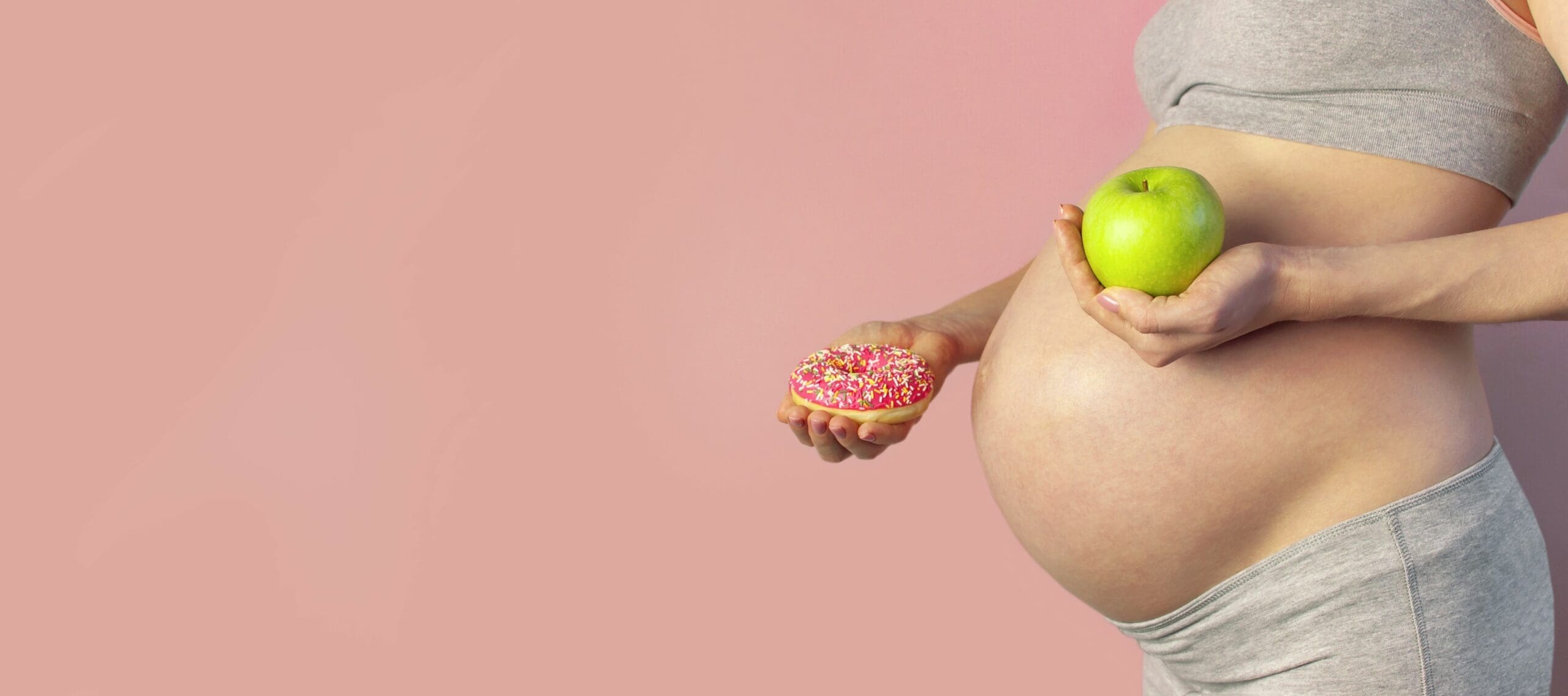
Eating a nutritious and varied diet in pregnancy is the best way of caring for yourself and your baby. The following information outlines what is meant by a nutritious and varied diet, and is suitable for most pregnant women. There are some women who may need to make some special changes when they are pregnant. They include those who:
- are very young (adolescents who are still growing);
- are underweight or overweight when becoming pregnant;
- have had more than 3 pregnancies in 2 years;
- eat a restricted diet (e.g. macrobiotic, vegan);
- have been eating a diet which they consider has been unhealthy; and
- have any complications regarding pregnancy.
If you fit within any of these categories you may need special nutritional advice. Talk with your doctor or community health nurse about whether you would benefit from visiting an accredited dietitian.
Which foods are ideal in pregnancy?
The following food groups provide you with the necessary nutrients, including vitamins, minerals and protein, for a healthy pregnancy:
- vegetables (at least 5 serves every day);
- fruit (2 pieces a day);
- cereals, including breads, rice, pasta and noodles, mainly wholegrain (8.5 serves a day – a serve is 1 slice of bread or a half-cup cooked rice, pasta, porridge or other grain product, a quarter-cup of muesli, 30 g cereal flakes);
- milk, yoghurt or hard cheese (2.5 serves a day) — these are good sources of calcium to help you reach the recommended daily intake in pregnancy of 1000 mg (1300 mg of calcium a day is recommended for pregnancy in 14-18 year olds); and
- lean proteins such as fish, meat, poultry (e.g. chicken) or alternatives such as eggs, legumes, tofu, nuts and seeds — eat 3.5 serves per day (a serve is 65 g meat, 80 g chicken, 100 g fish, 2 eggs, 1 cup cooked or canned legumes, 170 g tofu or 30 g nuts, seeds or nut pastes.
Be aware that if you are eating only plant foods as protein sources, you will not be getting the vitamin B12 that is required for good health as this vitamin is found only in animal products. Red meat is also a good source of iron and zinc, but these are also available from legumes, vegetables, wholegrains, nuts and seeds. Zinc is also in milk, cheese and yoghurt.
Which foods are best avoided in pregnancy?
- Chilled, smoked or uncooked fish or seafood products can be infected with the Listeria bacteria. Infection with Listeria can cause listeriosis, a flu-like illness that can harm your baby. Other foods which can cause listeriosis are pâté; pre-cooked chicken or ham and other chilled, pre-cooked meat products; ready-made or stored salads (e.g.coleslaw, potato salad); soft, semi-soft and surface-ripened cheeses; soft-serve ice cream; and unpasteurised milk.
- All fresh foods should be washed thoroughly before eating. Unwashed fruit and vegetables may be contaminated with Toxoplasma, a bacterium found in cat’s faeces that can cause toxoplasmosis — an infection which can harm your baby.
- Avoid alcohol during your pregnancy. There is no known ‘safe’ amount to drink, so it makes sense to avoid it completely.
- Restrict foods which are high in sugars (such as sweetened drinks, energy drinks, fruit juices, confectionery and many desserts), fats (chips, cakes, biscuits, chocolate, fast foods, fried foods, sausages, cream and fatty meats) or salt (potato chips or other savoury snack foods, pre-packaged noodles or stock) except as occasional treats.
Eating for 2 is not strictly true
Although some women may feel hungrier during pregnancy (due to the demands of a growing baby and placenta), it is not necessary to eat for 2. If you feel hungry, eat healthy mid-meal snacks from the food lists given above. Ideal snacks include yoghurt, fruit, washed vegetable sticks, nuts, dried fruit, a slice of wholegrain toast or a homemade fruit smoothie.
Most women will gain some extra non-baby weight during pregnancy. This is a natural phenomenon which is designed to ensure there is a supply of energy for breast feeding. As long as your weight gain is not excessive, the extra weight will gradually come off when breast feeding is established if you maintain a healthy diet as outlined above. If you have stopped smoking your weight may also increase. Smoking is much more harmful for you and your baby (before and after it is born) than a little weight. Most former smokers who put on weight will eventually return to their normal weight.
Nausea and vomiting
Morning sickness can mean that the healthiest of eaters find it hard to maintain a balanced diet. In most cases morning sickness will settle down by the 15th week of your pregnancy and you can resume your normal diet. Try to eat healthy foods when you can — eating small amounts and more often if necessary.
Drink plenty
Drink plenty of fluids every day (between one and 2 litres). This will help prevent urinary tract infections (cystitis). Don’t be tempted to reduce your fluid intake just because you need to urinate more often.
Constipation
Avoid constipation by making sure you get plenty of dietary fibre by eating more vegetables and choosing wholegrain breads and cereals, rather than white.
Folate (or the manufactured form, known as folic acid)
The genetic make-up of some women means they have an increased chance of having a child with neural tube defects such as spina bifida. Recent studies have shown that these women can reduce, but not eliminate, the chances of their child developing neural tube defects if they increase the amount of folate they eat. As there is no practical way to determine which women have this genetic make-up, it is recommended that all women eat a healthy diet rich in folate from vegetables, fruits and wholegrain cereals.
If you are pregnant or are planning to become pregnant, the NHMRC’s Australian RDI (recommended daily intake) is 600 micrograms (0.6 mg) folate. In addition to consuming folate as part of a varied diet, supplements containing 400 micrograms (0.4 mg) of folic acid should be taken every day from 4 weeks before conception until the 12th week of pregnancy.
You can purchase folic acid supplements over the counter from a pharmacy, supermarket or health store, or by prescription from your doctor. Folic acid is available on its own or as part of a multivitamin and mineral supplement specially formulated for pregnant women.
Iron
You need more iron when you are pregnant, and some pregnant women benefit from an iron supplement. Your doctor can test whether you need supplemental iron.
Iodine
Recent evidence suggests pregnant women in Australia are not getting enough iodine in their diet. Good sources include fish and also milk, cheese, yoghurt, eggs and wholegrains. You may benefit from taking a multivitamin and mineral supplement containing iodine or using iodised table salt. Adequate iodine is essential for the baby’s development, especially brain development.
