
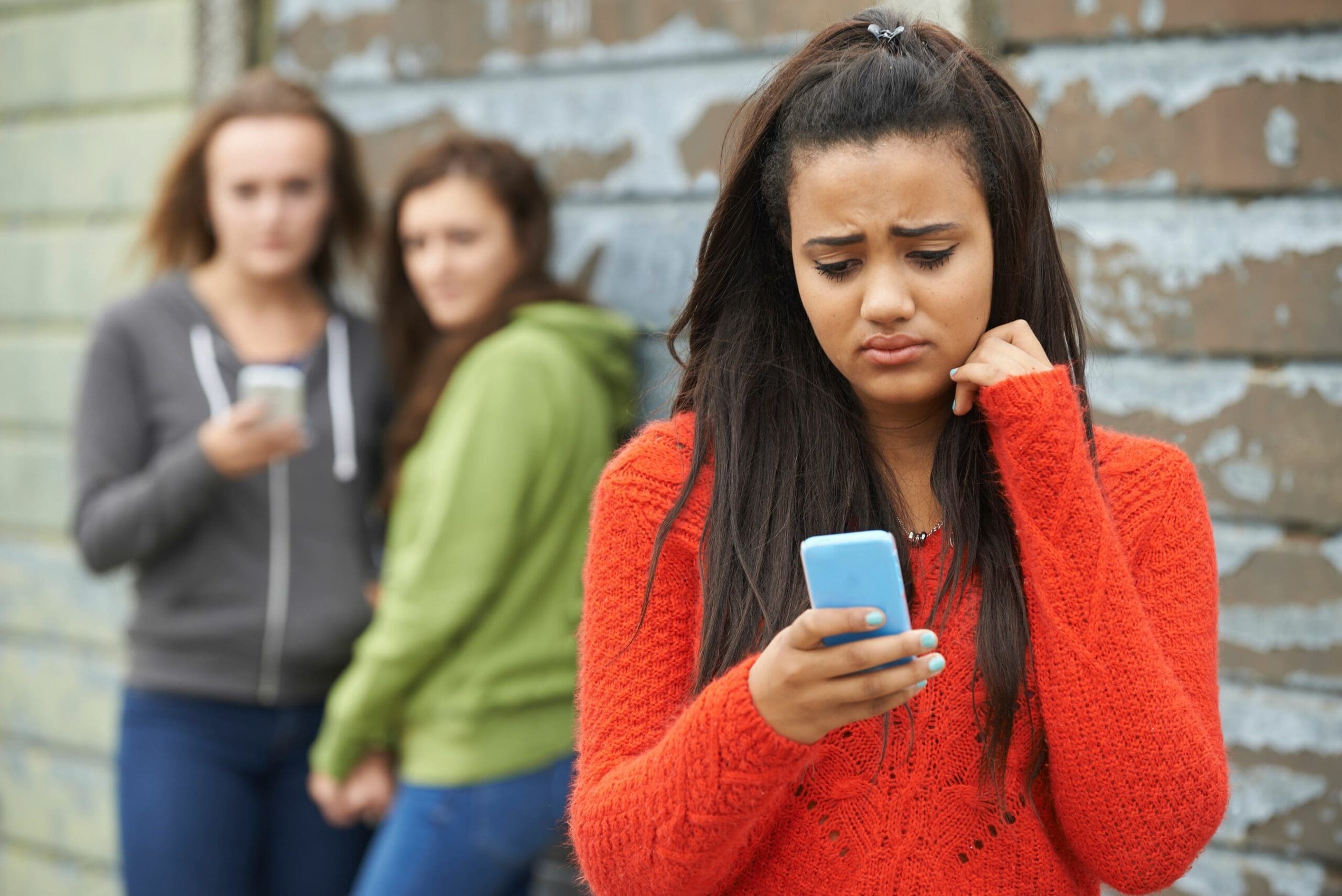
Bullying is not just a normal part of growing up — it’s a serious problem and, unfortunately, is still common among children and teenagers. Bullying during childhood and adolescence can impact on your child’s self-esteem and mental health, and can sometimes have lifelong consequences.
By being aware of the signs that may indicate your child is being bullied, and knowing the best ways to tackle the problem, you can help your child deal with bullying before it gets out of hand. Early intervention can help prevent long-lasting problems such as depression, anxiety and low self-esteem.
What is bullying?
Bullying is ongoing deliberate aggressive behaviour by one or more people against others. The aggressive behaviour can be either direct or indirect.
Direct bullying can be verbal (teasing, name calling) or physical (hitting, pushing, destroying personal property). This type of bullying is more common among boys than girls.
Indirect bullying, or social bullying, includes spreading rumours or gossip or excluding someone from activities. This type of behaviour is more common among girls, and is more likely to happen without teachers or other adults being aware of it.
Cyber bullying
Any type of harassment or intimidation that occurs via electronic formats (e.g. text messaging, email, online social networking, instant messaging, blogs, chat rooms, or websites) is cyber bullying.
Examples of cyber bullying include being teased or having rumours spread about you online, receiving intimidating emails or text messages, or having your online social networking account broken into and used inappropriately by others pretending to be you.
Cyber bullying can be particularly damaging because, for kids with mobile phones and internet access, it can happen anytime, anywhere. Because the perpetrators are able to bully anonymously and without face to face contact, they will often act more boldly. Also, the messages can be instantly broadcast to a wide audience.
Signs your child may be being bullied
Kids and teens can be reluctant to tell their parents, carers or school officials about being bullied. They might be afraid to tell someone, or feel embarrassed or ashamed. Victims of cyber bullying may be worried that if they confide in their parents, their phone or computer privileges will be taken away.
Signs that could indicate your child is being bullied include:
- A change in school performance.
- Not wanting to go to school.
- Not taking part in school activities.
- Complaining of headaches, stomach aches or other physical problems.
- Difficulty sleeping.
- A change in appetite.
- Damaged or missing personal belongings.
- Unexplained bruises, scratches or other injuries.
- Bedwetting.
- Emotional clues such as anxiety, unhappiness, distress, depression, withdrawn behaviour, or anger.
Additional signs of cyber bullying may include:
- Being upset after using the internet.
- Spending more time than usual online or refusing to use the computer altogether.
- Exiting or clicking out of a computer programme if someone walks past.
How to help your child
Encourage your child to talk about what’s happening and let them know that you are there to listen and help. It’s important for them to know that bullying is a common problem and that it is not their fault.
Make sure they understand that you can see there is a problem and that it is very upsetting for them. Your child will need a lot of love and support, and they need to know that you will take action to stop further bullying.
Encouraging your child not to retaliate and to try and remain composed often helps, as bullies are looking for a reaction and often lose interest when they don’t get one. You can talk about ways to deal with the bullying, such as:
- ignoring the bully and physically moving away from them;
- calmly telling the bully to stop;
- avoiding situations where the bullying occurs, if possible; and
- staying close to a friend or group of friends wherever the bullying seems to happen.
These strategies can stop your child from feeling powerless and improve their confidence.
Talk to your child’s teacher at school or preschool and let them know what is happening. Schools take bullying very seriously, and you should be able to come up with a plan of action to stop the bullying. It’s best to not approach the bully or their parents directly, as it is likely to make the situation worse.
While it is important for you to take steps to stop the bullying, it’s also important to help your child’s social development by teaching them how to handle bullying in the future.
In some cases, professional counselling can help.
Preventing and managing cyber bullying
It’s a good idea to discuss the possibility of cyber bullying when your child first starts using a phone or computer. Help them to understand the importance of keeping their passwords private, giving their contact details only to close friends, and thinking carefully before posting personal information and photos online. Ensure they have adequate security settings on any social networking sites.
Also, keep the home computer in a supervised area and have clear household rules guiding internet use.
If your child is a victim of cyber bullying, you may want to try the following:
- Don’t respond to or forward messages to others. If you reply, the bully gets the reaction they want, but if you ignore the message the person will often leave you alone.
- Delete bullying messages (after saving a copy or print out of evidence of the bullying, which can help track down the bully if required).
- Block the cyber bully from texting or emailing you – your phone and internet service providers can help you.
- Change your contact details – get a new mobile phone number, email account or username for websites.
- Report abuse to web administrators.
When your child is the bully
Finding out that your child has been bullying others is also upsetting.
Children who bully may have been bullied themselves, or may be bullying to fit in with a group. Whether they have started the bullying or have been encouraging others, it’s important to talk with your child and let them know that this behaviour is unacceptable.
Try not to be defensive or offer excuses if your child has been bullying, but help to improve the situation. Changing behaviour is important for your child as well as for the victim of the bullying.
Make sure your child knows what bullying is, and try to help them to understand how it would make the other person feel. It is worth talking to your child’s teacher about the school’s approach to bullying and what you can do to help. Counselling may be appropriate in some situations.
National Helplines
Kids Helpline has counsellors available 24 hours a day who can talk to children about any problems they are having, including bullying.
Kids Helpline (under 18 years of age) 1800 55 1800
