
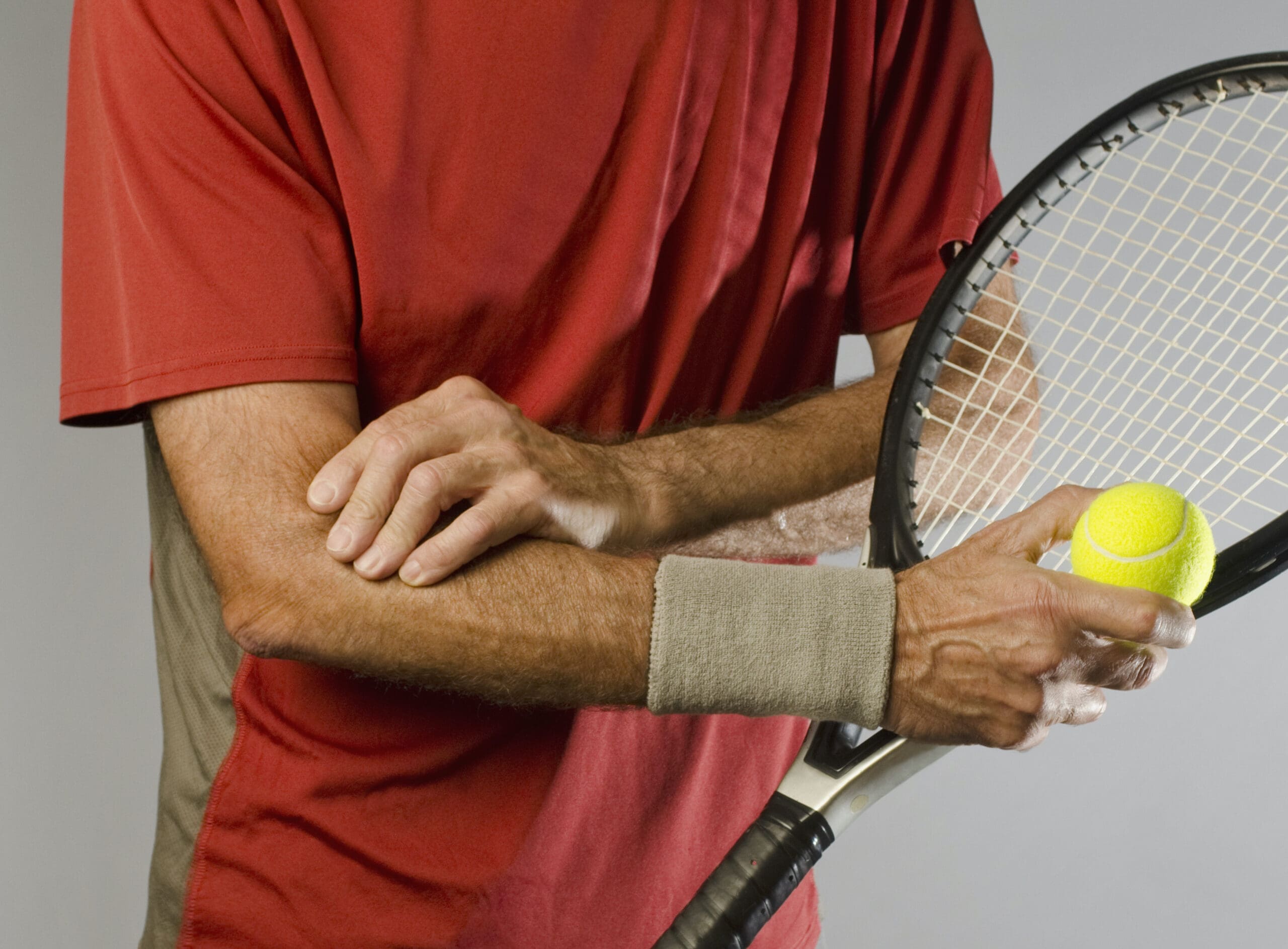
Bursitis

What is bursitis?

Wherever the bones, tendons and ligaments move against each other, particularly near joints, small fluid-filled sacs called bursae cushion the points of contact. Bursitis is an inflammation of a bursa, and is usually caused by overuse of a joint, or when a joint is under pressure or tension for extended periods of time.

What causes bursitis?

The inflammation of a joint is most commonly caused by misuse or overuse of the joint. Bursitis can also be caused by trauma in the area of the bursa or by adjacent tendons. Repeated physical activities, such as swinging a golf club, can cause bursitis. The condition commonly known as ‘housemaid’s knee’ results from inflammation of the bursa on the front of the knee caused by repeated sweeping while kneeling. Infection or other conditions, such as arthritis or gout, cause inflammatory changes in the joints and tendons throughout the body that can involve the bursae. This type of injury may be accompanied by reduced mobility in the joint, redness, swelling and, occasionally, fever.

Which joints are affected?

One of the most common areas for bursitis is the shoulder, which has the greatest range of motion of all the body’s major joints. The pain is usually felt along the outside top of the shoulder. Other joints commonly affected by this condition are the elbows, hips, wrists, ankles and knees.

What are the symptoms of bursitis?

  • Pain, inflammation and swelling in the area, particularly during stretching or extension when exercising, lifting or otherwise pushing the joint beyond its normal limits.
  • Restricted range of motion in a joint, with or without immediate pain.
  • The overlying skin may become red or feel warm.

How is bursitis diagnosed?

Your doctor will ask about your recent physical activities and will conduct a physical examination. Occasionally, they may also want to extract some fluid for testing, if there is concern the bursa might be infected. You may be sent for X-rays of the painful joint.

Self-care for bursitis

What you can do if you have bursitis.

  • Decrease activity involving the joint and rest to allow the inflammation to subside.
  • If the elbow is affected, place the arm in a sling to rest the joint.
  • Alternating between hot and cold compresses can assist in relieving some of the pain.
  • When the acute pain has subsided, gentle exercise of the joint can be undertaken, slowly increasing the range of motion.
  • Over-the-counter anti-inflammatory and analgesic medications can be used to reduce pain and inflammation.

Medical treatment of bursitis

  • Splinting may rest the joint by limiting its motion, but should only be done under the supervision of a doctor or physiotherapist.
  • Anti-inflammatory and analgesic medications may be prescribed to reduce pain and inflammation.
  • Diathermy, or deep-heat therapy, which can relieve the discomfort and inflammation of bursitis, is gaining popularity. It can also soothe tense muscles, nerves and tendons.
  • Physiotherapy may be advised to help correct any muscle tightness or strength imbalance that may have caused the bursitis.
  • In severe or recurrent cases, bursal drainage (when the fluid is drawn out of the swollen bursa) and bursectomy (in which the affected bursa is removed) may be considered.

Complications of bursitis

The main complication of bursitis is an infection of the bursa. As the bursa is frequently just under the skin it can also be affected by some types of skin bacteria. This requires antibiotic treatment, and sometimes drainage.


Sponsored links

myDr Newsletter

Get myDr delivered to your inbox Privacy Policy
 
Advertisement
Advertisement
Advertisement
This web site is intended for Australian residents and is not a sbstitute for independent professional advice. Information and interactions contained in ths Web site are for infomation purposes only and are not intended ot be used to diagnose,treat , cure or prevent any disease.Further , the accuracy, currency and completeness of the information available on this web site cannot be guaranteed. MIMS Australia Pty Ltd, its affiliates and their respective servants and agents do not accept any liability for any injury, loss or damage incured by use of or relance on the information made available via or throught myDr whether arising from negligence or otherwise.
See Privacy Policy and Disclaimer.