
What is it?
An allergy blood test looks for a specific type of antibody (called immunoglobulin E — IgE for short) that your immune system produces when you come into contact with a substance that you are allergic to (an allergen). They are serum allergen-specific IgE tests, but were previously referred to as RAST tests (radioallergosorbent tests) after a previously popular laboratory method of performing these tests.
There are 2 steps to developing an allergy. Initially, your immune system mistakenly identifies a substance that is normally harmless (an allergen) as harmful, and produces a specific IgE antibody to ‘fight’ it. This process is called ‘sensitisation’. Then, when you next encounter the allergen, the IgE recognises the allergen and an allergic reaction occurs. IgE attaches to cells called mast cells, triggering the release of a chemical called histamine. Histamine causes the allergy symptoms that many people will be familiar with: rash or hives; sneezing; blocked or running nose; itchy eyes or wheezing.
Common inhaled allergens include pollens, house dust mite residue, moulds and animal dander (skin particles). Common food allergens include proteins in eggs, peanuts and tree nuts (such as walnuts), fish, shellfish, milk, wheat and soy. An allergy blood test can look for IgE reacting to one particular allergen or to a group of allergens.
Why is it done?
An allergy blood test may be done if your doctor suspects that an allergic reaction could be causing your symptoms. The aim is to find out whether you are having an allergic reaction, and if so, to discover which allergen could be responsible for your symptoms.
Allergy blood tests are currently considered less accurate than skin prick tests, in which a solution of purified allergen is pricked or scratched into your skin and the response assessed. However, your doctor may suggest allergy blood tests if:
- skin prick testing is unavailable;
- you need to take antihistamines or some types of antidepressants (these medicines interfere with skin prick tests);
- you have widespread skin disease such as eczema that could obscure the reaction to skin prick testing;
- your doctor is worried that a skin prick test could cause a severe allergic reaction; or
- you have had skin prick testing but it did not give clear results.
How is an it done?
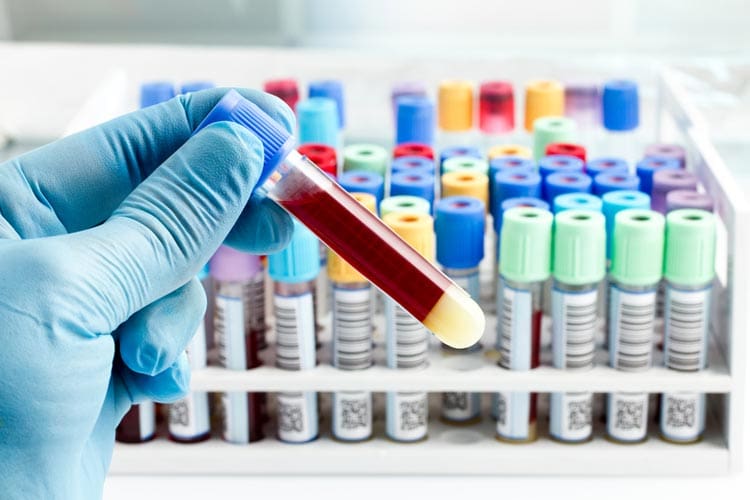
For an allergy blood test, a blood sample will be drawn from a vein. The sample is sent to the lab and analysed to look for the level of specific IgE.
No special preparation is needed for an allergy blood test.
Are there any risks ?
Allergy blood tests are not considered to have any risks, other than slight discomfort when the blood is drawn and occasionally bruising at the site of the blood test.
What happens after an allergy blood test?
Allergy blood tests can tell your doctor whether you produce IgE in response to a specific allergen (doctors describe this as being ‘sensitised’ to the allergen). If you have a negative test, it is very unlikely that you have an allergic reaction to that allergen.
However, although a positive test indicates that you are sensitised to the allergen (that is, you produce specific IgE antibodies in response to it), it does not show for sure that the allergen is definitely the cause of your symptoms. Your doctor will therefore take your signs and symptoms into account when interpreting a positive allergy blood test.
Also, an allergy blood test cannot tell your doctor how severe any allergic reaction would be if you were exposed to the allergen.
In some cases, further tests will be needed to find out whether you have an allergy. Your doctor or specialist will advise you if this is the case.
