
What are inhalants?
Inhalants are a range of products that produce vapours which, when inhaled, may cause the person to feel intoxicated or “high”.
Inhalants are depressant drugs. This means that they slow down the activity of the central nervous system and the messages going between the brain and the body. They do not necessarily make a person feel depressed.
Other depressants include alcohol, cannabis, benzodiazepines and heroin.
Other names
Glue, gas, sniff, huff, chroming, poppers.
What do inhalants look like?
Inhalants come in a variety of forms, such as aerosols, liquids or semi-solids. Some of the most common are:
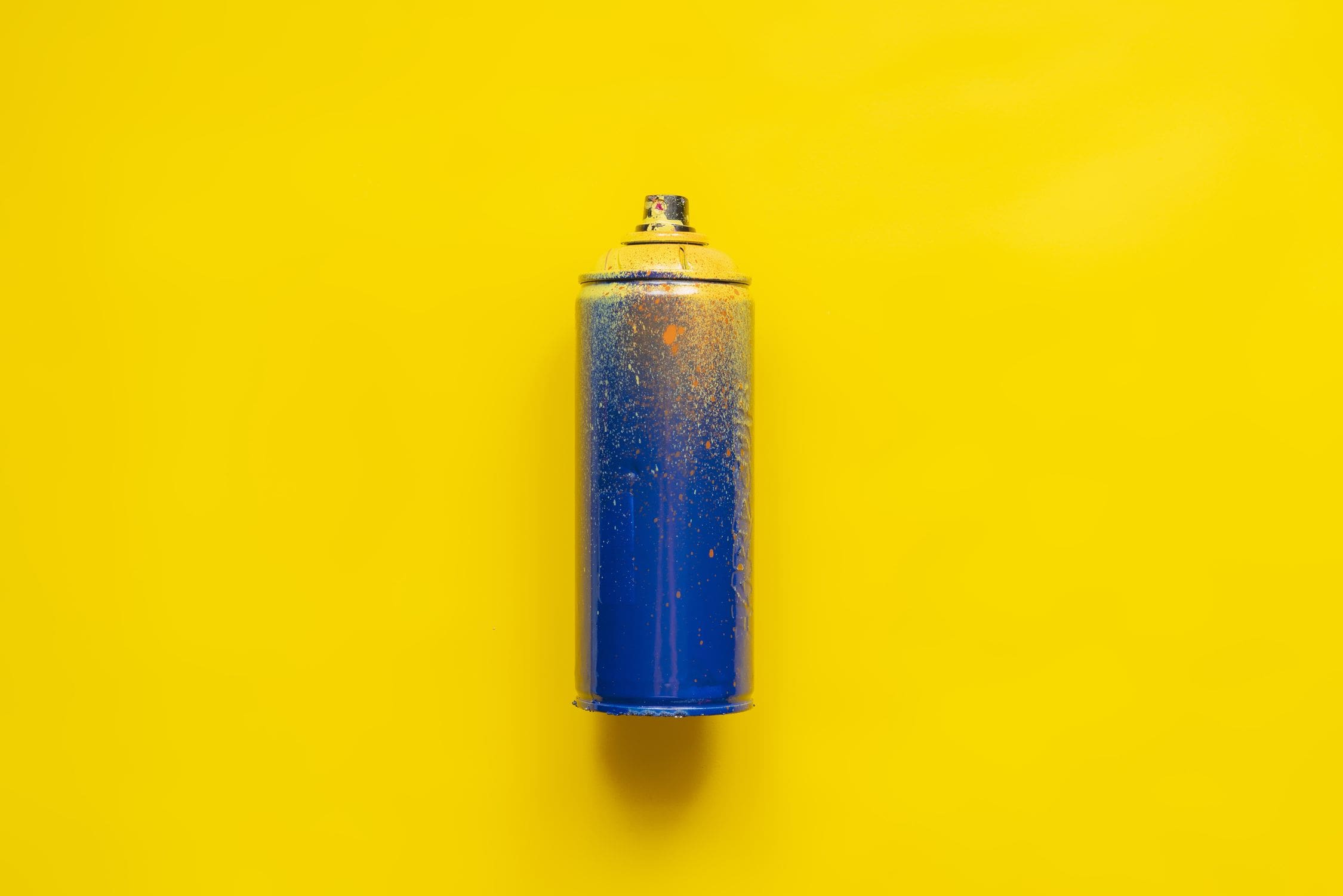
- aerosol spray cans
- chrome-based paint
- gas from lighters or barbeques (butane)
- cleaning fluid
- correction fluid (liquid paper)
- paint or paint thinner
- felt-tipped pens
- glue
- petrol.
In some remote communities in Australia, standard unleaded petrol is being replaced by Opal fuel. Opal fuel does not produce a “high” when sniffed; however, it can still have serious effects on a person’s health.
Inhalants can be divided into four main groups:
- Volatile solvents are liquids or semi-solids, such as glues. They are usually common household and industrial products such as paint thinners and removers, dry-cleaning fluids, degreasers, petrol and correction fluid.
- Aerosols are sprays that contain propellants and solvents and include spray paints, deodorants and hairsprays, insect sprays and vegetable oils.
- Gases include medical anaesthetics and gases used in household or commercial products such as refrigerants and fire extinguishers.
- Nitrites such as amyl, butyl and isobutyl nitrite (together known as alkyl nitrites or poppers) are clear, yellow liquids.
How are they used?
The drug is inhaled through the nose or mouth. It may be sprayed into a plastic bag, poured into a bottle or soaked onto a cloth or sleeve before being inhaled.
Some drugs are also inhaled directly from the container. Sometimes they are sprayed directly into the mouth or nose. This method is very dangerous because it can cause suffocation.
Tolerance and dependence
People who use inhalants regularly can develop dependence and tolerance to them, which means they need to take larger amounts of inhalants to get the same effect.
Evidence suggests that long-term use of inhalants can lead to a psychological dependence. People who are dependent on inhalants find that using the drug becomes far more important than other activities in their life. They crave the drug and find it very difficult to stop using it. People may find they feel an urge to use them when they are in specific surroundings or socialising with friends.
Getting help
In Australia, there are many different types of treatments for drug problems. Some aim to help a person to stop using a drug, while others aim to reduce the risks and harm related to their drug use.
Find out more about treatment.
What to do if you are concerned about someone’s inhalant use
If you are concerned about someone’s drug use, there is help available. Contact the alcohol and drug information service in your state or territory.
What to do in a crisis
Always call triple zero (000) if a drug overdose is known or suspected—and remember that paramedics are not obliged to involve the police.
If someone overdoses or has an adverse reaction while using inhalants, it is very important that they receive professional help as soon as possible. A quick response can save their life.