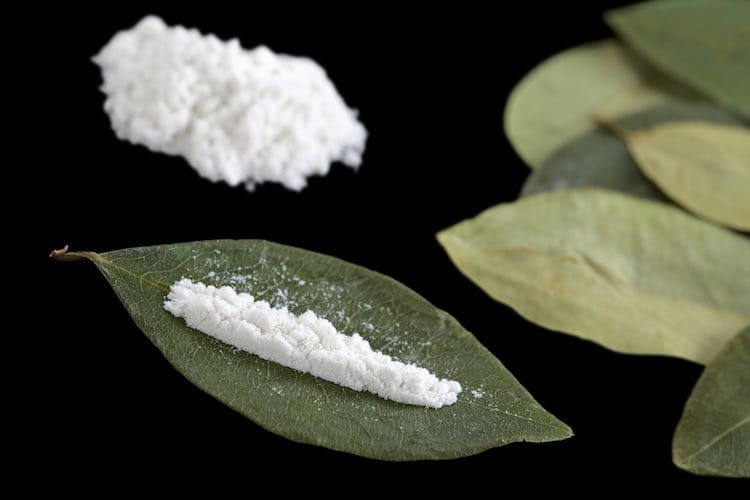
Cocaine belongs to a group of drugs known as ‘stimulants’. Stimulants speed up the messages going between the brain and the body.
Cocaine is extracted from the leaves of the coca bush (Erythroxylum coca), which is native to South America. The coca leaf extract is then processed to create cocaine hydrochloride, freebase and crack.
The leaves of the coca bush have long been chewed and brewed into tea by indigenous people in South America for its stimulant and appetite suppressant properties.
Other names
Some of the common names for cocaine include C, coke, nose candy, snow, white lady, toot, Charlie, blow, white dust and stardust.
Freebase is also known as base, and crack is sometimes referred to as rock or wash.
What does cocaine look like?
The most common from of cocaine is cocaine hydrochloride. This is a white, crystalline powder with a bitter, numbing taste.
Cocaine hydrochloride can be further processed to produce cocaine base, known as ‘freebase’ and ‘crack’. Freebase is a white powder, while crack generally comes in the form of crystals that range in colour from white or creamy colour to transparent with a pink or yellow hue.
Cocaine hydrochloride is often mixed, or ‘cut’, with other substances such as lactose and glucose, to dilute it before being sold.
How is it used?
Cocaine hydrochloride is most commonly ‘snorted’. It can also be injected. Some people rub it into the gums, where it is absorbed into the bloodstream. Others add it to a drink or food. Freebase and crack cocaine are usually smoked.
For more information, please click on the Alcohol and Drug Foundation’s (previously Australian Drug Foundation) logo below.